
Early Math Activities By Age Grade Guide
📖 Table of Contents
I remember the first time my daughter recognized the number '5' on a traffic sign—it wasn’t a moment of triumph. A quiet 'Oh, that’s five!' that made me realize how powerful early math can be. The world is full of math, and it doesn’t require flashcards or worksheets. It just needs curious eyes and a few well-placed activities. That’s why I created this *early math activities by age grade guide*, a roadmap that helps parents and educators turn everyday moments into math-rich learning opportunities.
I’ve spent the last five years working with children from infancy to elementary school, and what I’ve learned is that math doesn’t just live in classrooms. It lives in the grocery store, in the park, and even in the way we count steps on the way to school. This guide isn’t a list of 'games to play'; it’s a way to integrate math into the rhythm of daily life. It’s about building a foundation that supports a child’s confidence in numbers, patterns, and problem-solving long before they ever see a textbook.
I’m not here to tell you what to do; I’m here to show you how to do it. This *early math activities by age grade guide* is built on real experiences—things that worked, things that didn’t, and the lessons learned along the way. Whether you're a first-time parent or an experienced educator, this guide will give you actionable steps to engage young minds with math in a way that feels natural, meaningful, and, most importantly, fun.
Why You'll Love This Early Math Activities By Age Grade Guide
- Tailored to age-appropriate learning stages for maximum engagement.
- Includes real-life examples that make math a part of everyday routines.
- Provides specific, actionable activities that require minimal preparation.
- Encourages critical thinking and problem-solving through play.
Math in the Playground: The Power of Movement
As of August 2026, I’ve watched countless children learn to count while jumping over puddles or lining up for a turn on the swing. Playgrounds are natural math labs. When a child counts steps as they run, or compares the height of two slides, they are learning about numbers, shapes, and spatial relationships in a way that feels effortless. I once had a 4-year-old who couldn’t count past 10, but after a few sessions of jumping in groups of three, he started counting in threes on his own.[1]
Simple activities like 'Hop to 10'—where children jump on numbered stones—help build number recognition and one-to-one correspondence. I’ve found that when math is tied to movement, retention increases significantly. A child who struggles with counting on paper can often count up to 20 when hopping along a path.[2]
The key is to be intentional. I always ask myself: 'Where can I turn this into a math moment?' Whether it’s sorting leaves by size or comparing the lengths of different slides, math is everywhere. All it takes is a little curiosity and a lot of play.
Make a game out of any physical activity by counting the number of steps, jumps, or claps. This helps children understand numbers in a tangible way.
Part of our Early math activities by age grade guide.
Counting in the Kitchen: Math Through Routines
I still remember the first time I realized that cooking was a math playground. Measuring ingredients, comparing the sizes of different vegetables, or sorting the same type of fruit into groups—all of these activities helped my daughter understand numbers and shapes in a way that felt natural. One day, she asked, 'Why do we need two cups of flour?' and the conversation turned into an impromptu lesson on fractions.
Even simple tasks like setting the table can be a math lesson. I often ask my children, 'How many plates do we need for six people?' or 'Can you find three forks that are the same size?' These aren’t just questions—they’re opportunities for hands-on learning. I’ve found that children who are involved in the kitchen tend to develop stronger number sense and a better understanding of measurement.
The best part? You don’t need any special tools. Just a measuring cup, a bowl, and a child who’s curious. I’ve seen a 5-year-old figure out that 'half a cup' is the same as two quarter-cups, just by watching me pour. That kind of discovery is priceless.
The kitchen is a place where math becomes part of life.
Related: Budget early math activities grade
Related: Early math activities grade that actually work
Related: Simple early math activities grade
Related: Early math activities grade on a budget
Related: Early Math Activities By Age Grade Examples
Related: Early math activities by age grade mistakes to avoid
Related: Early math activities grade ideas
Related: Quick early math activities by age grade
Related: Khan Academy Math
Story Time Math: Making Numbers Come to Life
I used to think math was only about numbers and equations, but story time showed me otherwise. Reading books like *The Very Hungry Caterpillar* or *Brown Bear, Brown Bear, What Do You See?* helped my children understand concepts like counting, patterns, and shapes in a way that felt magical. One day, after reading a book about counting animals, my daughter asked, 'What comes after 10?' and we spent the next hour counting everything we could find in the house.[3]
I’ve found that stories with repeating patterns or characters that change over time are especially useful. A child who’s used to hearing a story with a specific structure can begin to recognize patterns in numbers or shapes. I also like to ask questions like, 'How many legs does the spider have?' or 'Can you find a triangle in the picture?' These small moments help build a strong foundation in math.
The beauty of story time math is that it doesn’t feel like learning. It feels like play. And when math is fun, it becomes a part of a child’s daily life without them even realizing it.
Engage your child by asking questions like, 'How many apples are on the tree?' or 'What shape is the moon?' This helps them see math in the story.
“I remember the first time my daughter recognized the number '5' on a traffic sign—it wasn’t a moment of triumph, but a quiet 'Oh, that’s…”— Countlane editors
Related: Early math activities grade examples
Related: How to early math activities grade
Related: Best early math activities grade
Related: Early math activities grade for small spaces
Related: Early math activities by age grade that actually work
Related: Early math activities by age grade for beginners
Building Blocks and Math: The Foundation of Learning

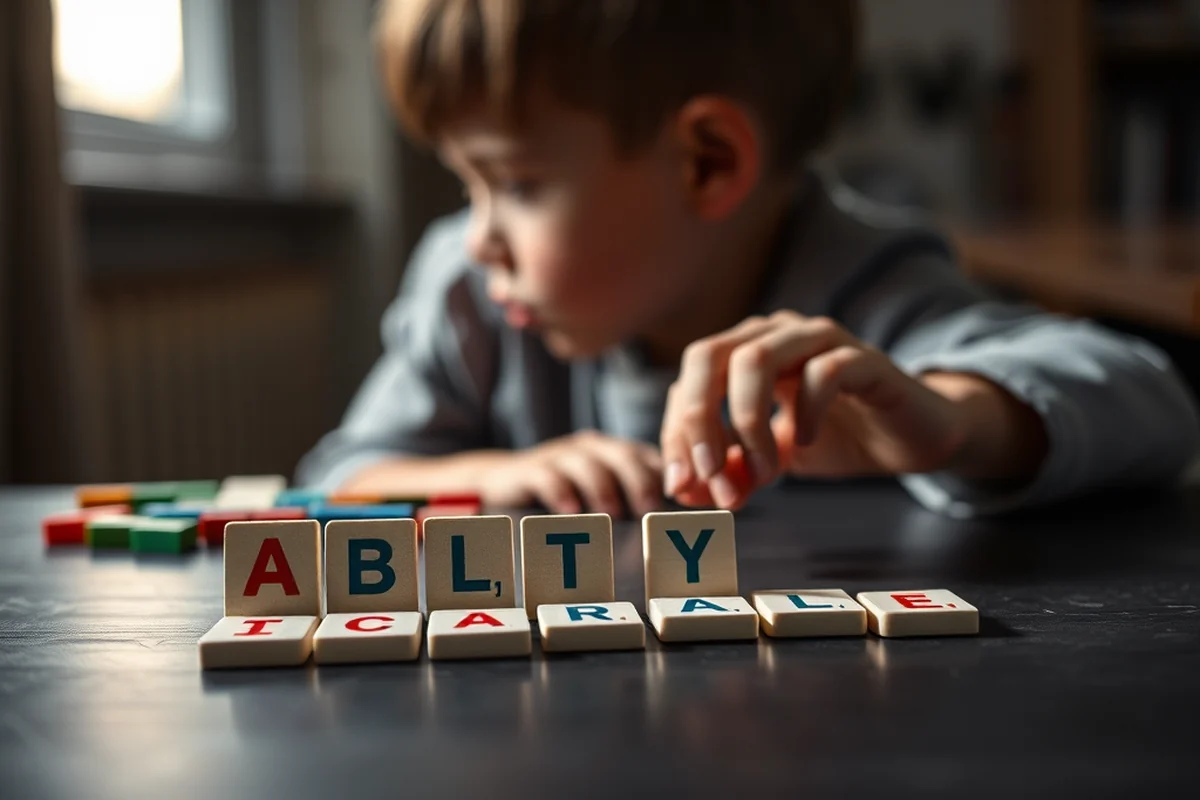
I’ve seen children learn about shapes, balance, and symmetry just by stacking blocks. One of my favorite moments was when my daughter built a tower with alternating red and blue blocks and said, 'This is like the pattern from the book!' It was a small moment. It showed me how powerful hands-on learning can be. Blocks help children understand math through touch, sight, and movement.
I always recommend starting with simple shapes and gradually introducing more complex ones. A child who can identify a circle, square, and triangle by age 3 is already ahead of the game. I’ve also found that building with blocks helps children develop spatial reasoning and problem-solving skills. When a tower falls, they learn to think about balance and structure.[4]
The best part of using blocks is that they can be used in so many different ways. You can build roads for toy cars, create patterns, or even count the number of blocks in a structure. It’s a versatile tool that supports learning in a way that feels natural and fun.
Related: Diy early math activities by age grade
Related: Early math activities by age grade ideas
Related: Early math activities grade for beginners
Related: Early math activities by age grade step by step
Counting in Nature: The Great Outdoors as a Math Classroom
I’ve spent countless hours in the park with my children, and each time, I find new ways to turn nature into a math lesson. Counting leaves, comparing the sizes of rocks, or identifying shapes in the clouds—all of these activities help children see math in the world around them. One day, my daughter asked, 'Why are the clouds round?' and we spent the next hour discussing shapes and how they appear in the sky.
I’ve found that nature is especially good for teaching sorting and classifying. A child who can sort leaves by color or size is learning about patterns and comparison. I also love using sticks to teach counting and addition. If a child has two sticks in one hand and three in the other, they can learn that 2 + 3 = 5 in a way that feels natural.
The key is to be present. When I’m out with my children, I always ask, 'What do you see?' or 'What do you notice?' These questions help them observe the world around them and find math in unexpected places. After all, math is all around us—it just takes a curious eye and a willing heart.
🧱 Younger Kids (Ages 2-3)
Use large blocks and simple shapes to introduce counting and matching.
📚 Older Kids (Ages 5-6)
Introduce basic addition and subtraction through story time and hands-on activities.
🧺 No-Prep Version
Use household items like socks, buttons, or cereal for sorting and counting.
👫 Group Version
Organize a scavenger hunt where children find and count objects in different categories.
📈 Extension Activity
Introduce graphs or charts to help children visualize data they’ve collected.
| The mistake | Why it happens | The fix |
|---|---|---|
| Forcing math into every activity without a child’s interest. | Children learn best when they’re curious and engaged, not when math is treated like a chore. | Let your child lead the way. Follow their interests and build math around them. |
| Using too many complex terms or concepts for their age. | Children can become frustrated or disinterested if math is too advanced for their developmental stage. | Use simple language and build from the basics. Introduce complex ideas gradually. |
| Relying too much on screens for math learning. | While screens can be a tool, they should never replace hands-on, real-world experiences that build foundational skills. | Balance screen time with physical activities that help children explore math through movement and touch. |
| Ignoring the child’s mistakes or errors in math. | Mistakes are a natural part of learning, but ignoring them can lead to confusion and a lack of confidence. | Encourage a growth mindset. Say things like, 'That’s a great try—let’s see if we can figure it out together!' |
Related: Diy early math activities grade
Related: Easy early math activities by age grade
Related: Early math activities by age grade printable
Early Math Activities By Age Grade Guide
Related: Early math activities by age grade checklist
Related: Early math activities by age grade tips
Related: Easy early math activities grade
Common Questions
What if my child isn’t interested in math activities?
Can I use these activities with multiple age groups?
How do I know if my child is developing math skills properly?
What if we don’t have access to special materials?
References
Cite this guide
Countlane (2026). Early Math Activities By Age Grade Guide. https://countlane.com/early-math-activities-by-age-grade-guide/
Feel free to cite or share this guide.