
Cool Fun Math Games
📖 Table of Contents
- How Cool Fun Math Games Boost Confidence
- Why Math Games Are Better Than Worksheets
- How to Choose the Right Math Game for Your Child
- How Math Games Improve Teamwork and Communication
- How Math Games Can Be Adapted for Different Learning Styles
- How Math Games Can Help With Long-Term Math Skills
- How Math Games Can Be Used in the Classroom
- Make It Your Way
- Frequently Asked Questions
I remember the first time my son came home from school with a math worksheet that felt more like a puzzle than a chore. He was 8, and his teacher had introduced a game that made him laugh while he calculated. It wasn’t just the math that caught my attention—it was the way he looked at numbers with new curiosity. That moment made me realize how much power cool fun math games can have, especially when they’re designed to engage young minds with creativity and play. These games are not just about memorizing facts; they’re about sparking a love for problem-solving and critical thinking.
As a parent who’s spent years trying to make math less intimidating, I’ve tested dozens of approaches. Some worked, some didn’t. What stood out were the games that blended learning with laughter. One of my favorites involved a deck of cards and a timer, where we raced to solve equations. It was simple, fast, and most importantly, it made math feel like a challenge worth pursuing. These are the kinds of cool fun math games that can transform frustration into fascination, especially when they're tailored to a child’s age and learning style.
Cool fun math games aren’t just about having a good time—they’re about building skills that last. When I first introduced a game that used dice to teach probability, I didn’t expect my son to start asking for more. But he did. He began to see math as a tool for exploration, not a subject to dread. The more I explored these games, the more I saw how they could shape a child’s confidence in math, their willingness to try hard problems, and even their ability to work with others. It’s that combination of play and learning that makes these games so unique and valuable.[1]
Why You'll Love This Collection of Cool Fun Math Games
- They make math engaging and enjoyable for kids of all ages.
- They help reinforce key math concepts through hands-on play.
- They encourage teamwork and communication in a fun setting.
- They’re easy to set up and can be adapted for different skill levels.
How Cool Fun Math Games Boost Confidence
As of September 2026, when my son first tried a math board game that involved solving problems to move forward, he was nervous. But as he started to get the hang of it, his confidence grew. He realized that mistakes were part of the process, and that’s when the real learning began. These games are designed to be forgiving, with built-in support that allows kids to try, fail, and try again without feeling judged.
One of the key benefits of these games is that they focus on mastery over speed. Instead of rushing to be the fastest, the goal is to understand the problem and find a solution. This approach helps kids build a strong foundation in math by allowing them to take their time and explore different strategies.
I’ve seen this shift in my own child, and it’s been incredibly rewarding. He now approaches math challenges with curiosity and a sense of accomplishment, knowing that he can solve problems with the right tools and mindset.
When introducing cool fun math games, begin with simple concepts and gradually increase the difficulty. This helps build a strong foundation and keeps the child motivated.
Part of our Early math activities activities games guide.
Why Math Games Are Better Than Worksheets

Worksheets can be effective for practicing math facts, but they often lack the element of fun that keeps children interested. In contrast, math games encourage active participation and immediate feedback. When a child solves a problem correctly, they get to take a step forward on the board or earn a token. This instant gratification makes the learning process more enjoyable and more effective.
I’ve found that my son is more likely to practice math when he’s playing a game than when he’s working on a worksheet. The games create a sense of play, and that’s what keeps him coming back for more. He’s not just solving problems—he’s enjoying the process.
One of the best things about math games is that they make mistakes feel natural. When my son gets a question wrong, he doesn’t feel defeated. Instead, he sees it as an opportunity to learn and try again.
Games make mistakes feel like part of the journey, not a failure.
Related: Early math activities games for beginners
How to Choose the Right Math Game for Your Child
Not all math games are the same. Some are better for younger children, while others are designed for older kids who need more complex challenges. It’s important to select games that match your child’s current math skills and developmental stage. For example, a game that involves counting and basic addition is perfect for a 5-year-old, while a game that focuses on fractions and decimals is more suitable for a 10-year-old.[2]
I’ve found that the best math games are the ones that align with my child’s interests. If he loves animals, a game that involves counting zoo animals might be more engaging for him. If he enjoys strategy, a game that involves problem-solving and critical thinking might be the way to go.
It’s also important to consider how much time you can dedicate to playing the game. Some games are quick and can be played in a few minutes, while others require a longer session. Finding the right balance is key to keeping your child motivated and excited about math.
Choose math games that align with your child’s interests and hobbies. This makes learning more engaging and meaningful for them.
“I remember the first time my son came home from school with a math worksheet that felt more like a puzzle than a chore.”— Countlane editors
Related: Early math activities activities games printable
How Math Games Improve Teamwork and Communication
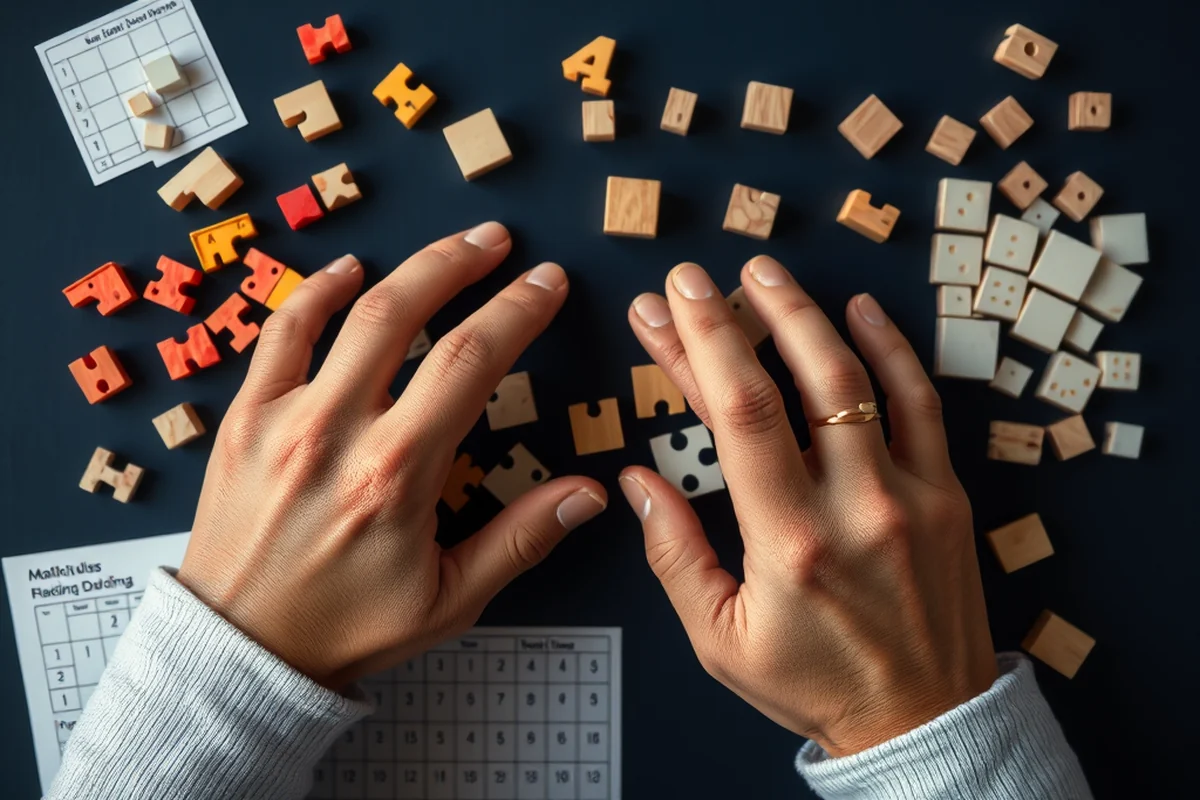
One of the best things about cool fun math games is that they often involve teamwork. When children play together, they have to communicate, share strategies, and support each other. This not only helps them learn math but also teaches them valuable social skills.
I’ve seen my son and his friends work together to solve a challenging math problem in a game. They take turns explaining their ideas, and it’s amazing to watch them support each other. These games create a sense of camaraderie that makes learning more enjoyable and rewarding.
Collaborative math games also help children learn how to listen to others and respect different perspectives. It’s a great way to develop both math and social skills at the same time.
Related: Simple early math activities games
How Math Games Can Be Adapted for Different Learning Styles
Every child learns differently, and that’s why it’s important to find math games that can be modified to suit their learning style. For example, visual learners might benefit from games that use colorful visuals and diagrams, while auditory learners might enjoy games that involve listening and repeating math facts.
I’ve found that adapting games to my son’s learning style has made a big difference in how well he understands math concepts. When he’s playing a game that involves visual aids, he’s more likely to remember the information. When he’s playing a game that involves verbal repetition, he seems to grasp the concepts more quickly.
It’s also important to consider whether your child is a kinesthetic learner, who learns best through hands-on activities. In that case, games that involve physical movement, like jumping on a number line or using manipulatives, might be the most effective.
Related: Affordable early math activities activities
How Math Games Can Help With Long-Term Math Skills
One of the most important things about math games is that they help children build a strong foundation in math. When my son plays a game that involves solving problems and applying math concepts, he’s not just practicing a skill—he’s learning how to think critically and solve real-world problems.
Math games also help children develop a deeper understanding of math concepts. Instead of just memorizing facts, they’re learning how to apply those facts to different situations. This kind of learning is more durable and lasting.
I’ve noticed that my son is now able to solve problems more quickly and with greater confidence. He’s not just memorizing math facts—he’s understanding the underlying concepts and how they relate to each other.
Games help build a foundation that lasts a lifetime.
Related: Diy early math activities activities games
How Math Games Can Be Used in the Classroom
Teachers who use cool fun math games in the classroom often see a significant increase in student engagement and participation. These games make math more hands-on and less intimidating, helping students feel more comfortable with the subject.
I’ve spoken with several teachers who have used math games in their classrooms, and the feedback has been overwhelmingly positive. They’ve seen students who used to be reluctant to participate in math discussions now eager to solve problems and share their ideas.
Math games also provide teachers with a valuable opportunity to assess student understanding in a low-pressure environment. Instead of relying solely on tests and quizzes, teachers can observe how students interact with the game and use that information to guide their instruction.
🧮 Younger Kids Edition
For children aged 3-6, this version uses large, colorful cards and simple addition and subtraction problems.
🧮 Older Kids Edition
Designed for ages 7-12, this version includes multiplication, division, and fractions with more complex challenges.
🧩 No-Prep Version
This version requires no setup and can be played with just a deck of cards and a timer.
👥 Group Version
This version is perfect for classroom or family play, with multiple players working together to solve problems.
✨ Extension Version
This version includes advanced math concepts like algebra and geometry for older students who are ready for a challenge.
| The mistake | Why it happens | The fix |
|---|---|---|
| Choosing a game that’s too difficult for your child. | A game that’s too challenging can be discouraging and may prevent your child from developing a love for math. | Select a game that matches your child’s current math skills and developmental stage to ensure they feel successful and engaged. |
| Not allowing your child to make mistakes. | Math games should be a safe space for exploration and learning, but if a child is afraid of making mistakes, they may avoid participating. | Encourage your child to see mistakes as part of the learning process and celebrate their efforts, not just their successes. |
| Forcing your child to play a game they’re not interested in. | Forcing a child to play a game can create resistance and make the experience more frustrating than enjoyable. | Find a game that aligns with your child’s interests or learning style to increase their engagement and motivation. |
| Not adapting the game to your child’s learning style. | Math games that don’t match a child’s learning style may not be as effective in helping them understand math concepts. | Choose a game that aligns with your child’s learning style, whether they’re a visual, auditory, or kinesthetic learner. |
| Playing the same game repeatedly without variety. | Playing the same game repeatedly can lead to boredom and a loss of interest in math games. | Vary the types of games you play to keep things fresh and engaging for your child. |
Cool Fun Math Games
Common Questions
How do I know which math game is right for my child?
Can math games be used in the classroom?
What are the benefits of using math games at home?
How can I make math games more challenging for my child?
References
Cite this guide
Countlane (2026). Cool Fun Math Games. https://countlane.com/cool-fun-math-games/
Feel free to cite or share this guide.