
Early Math Activities Activities Games Tips
📖 Table of Contents
When my daughter turned three, I realized how much I had taken math for granted. It wasn’t just about numbers—it was about patterns, shapes, and the way the world around us makes sense. I was determined to make math a part of our daily life, not just a subject she’d learn in school. That’s when I started looking for early math activities that felt natural, fun, and meaningful. What I found was a world of games and tips that turned my daughter into a curious problem solver, and I became a better parent along the way.
Early math activities aren’t just about counting blocks or recognizing numbers. They’re about laying the foundation for how kids think, reason, and solve problems. I remember the first time I used a simple sorting game with colored cups and buttons, and how my daughter’s eyes lit up when she figured out the pattern. That moment taught me that math isn’t abstract—it’s everywhere, and it’s accessible. It’s not about pushing kids into advanced concepts early, but about helping them see math in the things they already love.[1]
I’ve tried so many approaches over the years, from counting steps while we walked to using puzzles to teach shapes. Some of them worked, and others fell flat. But what I’ve learned is that the best early math activities are the ones that feel like play, not work. They’re the ones that don’t require expensive tools or complicated setups. They’re the ones that let kids explore, make mistakes, and discover things on their own. That’s why I’m sharing these games, activities, and tips with you—because I know how powerful they can be when done right.
Why You'll Love This Approach to Early Math
- Engages kids through play, making learning feel natural and joyful.
- Builds foundational math skills like counting, sorting, and pattern recognition.
- Requires minimal supplies and can be done anywhere, anytime.
- Empowers parents to support learning without formal instruction.
Sorting and Matching: A Simple Foundation
As of October 2026, Sorting is one of the most effective early math activities I’ve found. Whether it’s sorting buttons by color, shapes, or size, this activity helps kids understand how things can be grouped and categorized. It’s also incredibly flexible—you can use everyday objects like toys, kitchen items, or even pieces of paper.[2]
I’ve used sorting games during bath time, with rubber ducks, and during snack time with fruit and cereal. It’s surprising how quickly kids pick up on patterns and how excited they get when they figure out the ‘rules’ of the game. My daughter once asked, 'Can I sort by how bouncy they are?' and I had to say yes.
A great tip is to start with only two categories and gradually increase the complexity. This helps build confidence and avoids overwhelming young learners. I’ve found that using a timer adds a fun challenge, and it makes the activity feel like a game.
Look for sorting materials around the house—buttons, keys, socks, or even different types of leaves from the park. This makes the activity more engaging and relatable.
Part of our Early math activities activities games guide.
Counting with Everyday Objects
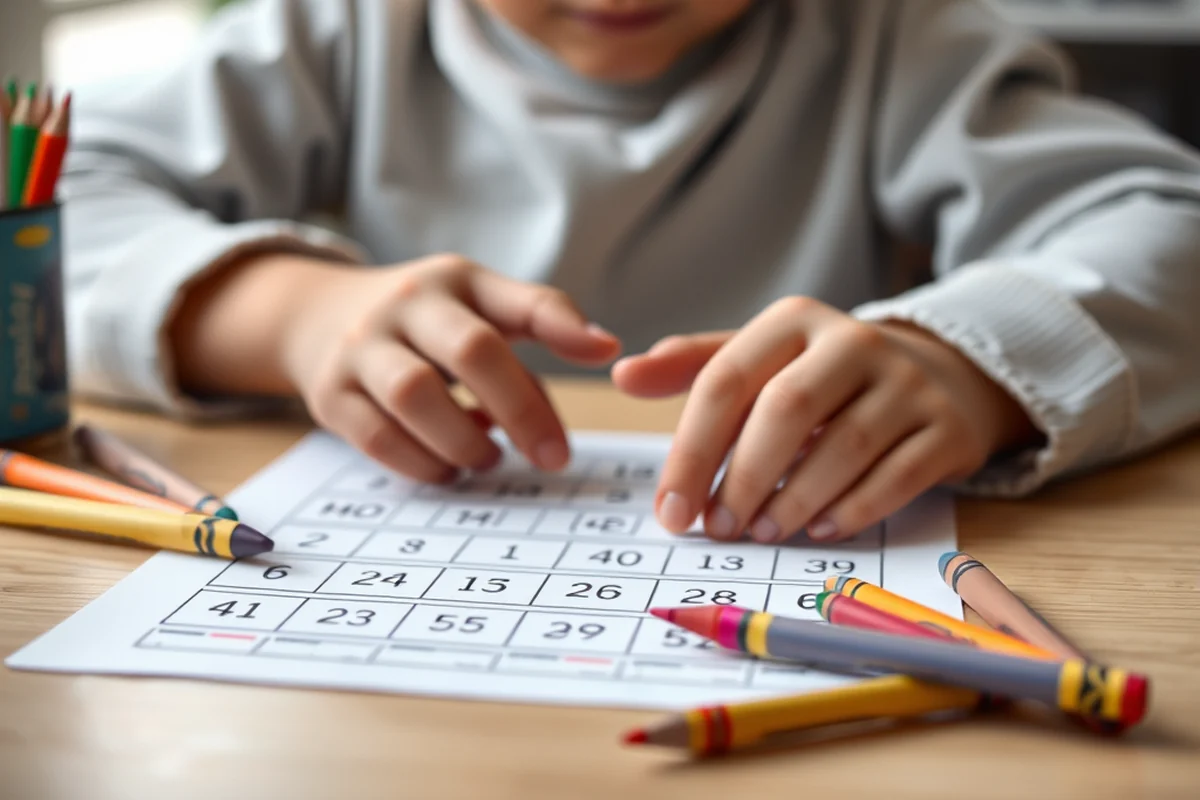
Counting is one of the first things kids learn, and for good reason. It builds number recognition and one-to-one correspondence, which are the building blocks of more complex math concepts. I’ve used everything from toy cars to pieces of fruit to teach counting. I even count the number of times we walk up and down the stairs to make it part of our daily routine.
One of my favorite counting games is 'How many can you find?' I’ll give my daughter a number, like five, and she has to find five items around the house. It’s a great way to teach estimation and number sense, and it keeps her engaged for longer than just rote counting.
I’ve noticed that counting becomes more meaningful when it’s tied to something tangible. For example, when we went to the zoo, we counted how many giraffes we saw and how many elephants. It made math feel like a part of the world around us, not just an abstract skill.
Counting isn’t just about numbers—it’s about making connections in the world around us.
Related: Math playground drift boss
Shape Recognition and Puzzles
Shape recognition is a crucial early math skill that helps with everything from reading to engineering. I’ve found that using puzzles is one of the best ways to teach shapes. Not only does it help kids identify shapes, but it also improves their fine motor skills and hand-eye coordination.
I’ve used both commercial puzzles and created my own by cutting out shapes from cardboard. It’s surprising how quickly kids pick up on shapes when they’re part of a larger picture. I’ve even noticed that my daughter will start pointing out shapes in books or on the street, which is a great sign of retention.
Another tip is to use shapes in daily life. For example, I’ll point out that a stop sign is an octagon or that a pizza is a circle. This helps kids see how math is everywhere, not just in books or school.
Look for shapes in your home, neighborhood, or even on your phone. This makes the learning experience more interactive and relatable.
“When my daughter turned three, I realized how much I had taken math for granted.”— Countlane editors
Related: Sdhsaa high school activities association
Pattern Recognition and Replication
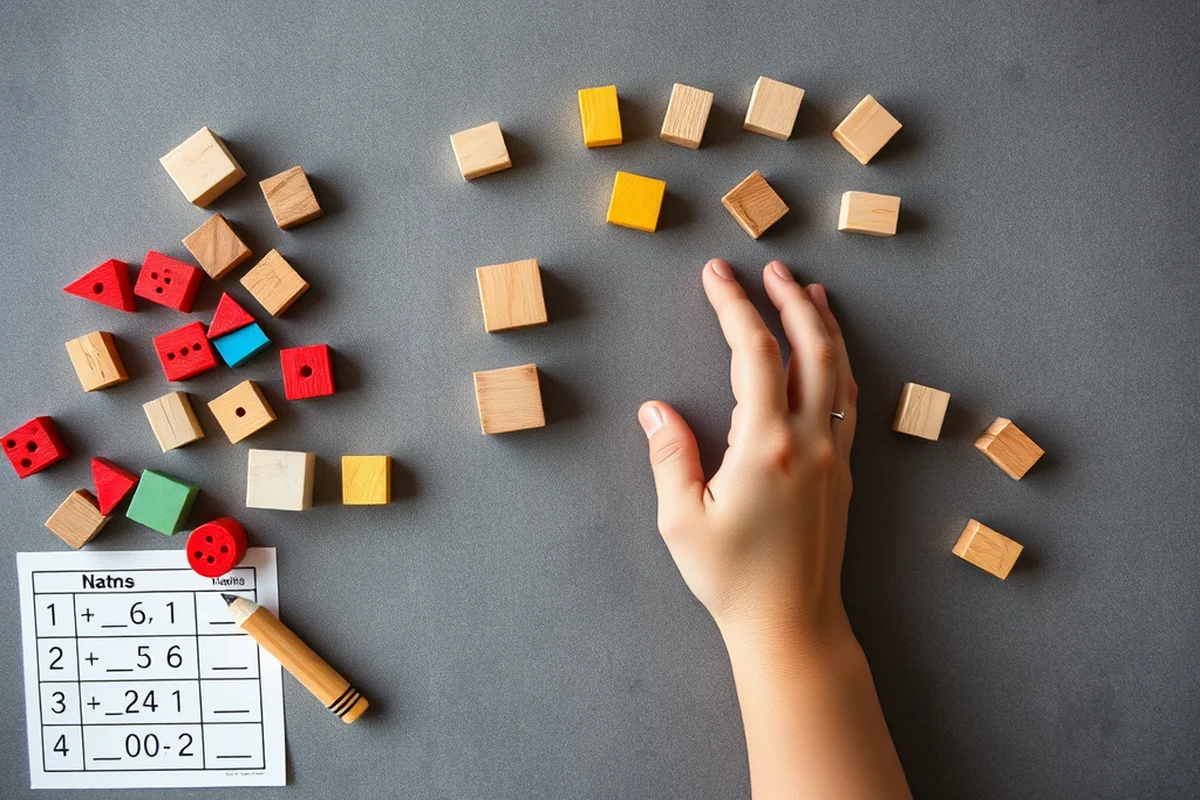
Pattern recognition is one of the most overlooked early math skills, but it’s one of the most important. It helps kids develop logical thinking and the ability to solve problems by identifying sequences and relationships. I’ve used both visual patterns and auditory patterns to teach this skill.
One of my favorite activities is to create a pattern with blocks or colored objects and then ask my daughter to replicate it. It’s a great way to build confidence and encourage creativity. I’ve also used music to teach patterns, like clapping to a rhythm or following a melody.
A useful tip is to start with simple two-part patterns, like ABAB, and gradually increase the complexity. This helps kids build a strong foundation in pattern recognition and prepares them for more advanced math concepts later on.
Related: Is bottle a math game
Measurement and Comparison
Measurement and comparison are crucial early math skills that help kids understand the world around them. I’ve used everything from rulers to measuring cups to teach these concepts. It’s amazing how quickly kids pick up on ideas like 'heavier,' 'lighter,' or 'taller.'
One of the best ways I’ve found to teach measurement is by comparing everyday objects. For example, I’ll ask my daughter, 'Is this book heavier than that pencil?' or 'Is this cup taller than that bowl?' These simple comparisons help build a strong understanding of measurement and comparison.
I’ve also found that using non-standard units, like paper clips or blocks, is a great way to teach measurement without needing formal tools. It’s a fun way to explore and learn, and it keeps kids engaged for longer.
👶 For Younger Kids
Use large, easy-to-grasp objects and simple patterns. Focus on matching and sorting with colors and shapes.
👦 For Older Kids
Introduce more complex patterns, measurement, and counting. Use puzzles and games that challenge problem-solving skills.
⏱️ No-Prep Version
Use items already in your home—like socks, buttons, or toys—to create quick and easy math activities.
🤝 Group Version
Invite friends or family to play math games together. This adds a social element and makes learning more fun.
🧩 Extension Activity
Use printable worksheets or digital apps to extend learning beyond hands-on activities.
| The mistake | Why it happens | The fix |
|---|---|---|
| Overcomplicating the activity with too many rules. | Too many rules can overwhelm young children and make the activity feel more like a lesson than a game. | Keep the rules simple and let the child explore on their own. Focus on play and discovery, not instruction. |
| Using too many different materials at once. | Using too many materials can be confusing and may prevent the child from focusing on the specific math concept you're trying to teach. | Start with one or two materials and gradually introduce more as the child becomes more comfortable with the concept. |
| Not allowing the child to make mistakes. | Mistakes are a natural part of learning, and discouraging them can make the child afraid to try new things. | Encourage the child to explore and experiment. Celebrate their efforts and use mistakes as a learning opportunity. |
| Focusing too much on the result rather than the process. | Focusing too much on the result can make the child feel pressured and may reduce their enjoyment of the activity. | Encourage the child to enjoy the process of learning. Praise their effort, not just the outcome. |
Related: Cool math games hangman
Early Math Activities Activities Games Tips
Related: Kindergarten math games
Integrating Math into Play with Board Games
Board games can be a fun and effective way to teach early math concepts through hands-on interaction and strategy.
I discovered that simple board games like 'Snakes and Ladders' or 'Candy Land' naturally introduce counting, taking turns, and basic addition as children move their pieces across the board. These games are not only engaging but also help children develop a sense of number sequences and spatial awareness without them even realizing they're learning math. I've seen my own children become more confident with numbers after playing these games regularly during family nights.
When I introduced 'Guess Who?' with numerical clues, it sparked a lot of excitement and encouraged my kids to think critically about attributes like size, shape, and quantity. The game required them to ask questions and eliminate possibilities, which subtly reinforced logic and comparison skills. It was amazing how they began to use terms like 'bigger than' or 'fewer than' without any direct instruction.
Another favorite has been 'Shut the Box,' which involves rolling dice and strategically covering numbers that add up to the rolled total. This game has helped my kids practice addition in a fun and challenging way, often leading to spontaneous math discussions and problem-solving. It's a great reminder that learning doesn't have to feel like work — it can be joyful, interactive, and deeply embedded in the everyday moments of play.
Common Questions
What are the best early math activities for toddlers?
How can I make math fun for my child?
What are some easy math games for kids?
How do I teach my child to count?
References
- Wisconsin Model Early Learning Standards Fifth Edition (dpi.wi.gov)
- Connecting Language, Literacy and Communications with ... (education.mn.gov)
Cite this guide
Countlane (2026). Early Math Activities Activities Games Tips. https://countlane.com/early-math-activities-activities-games-tips/
Feel free to cite or share this guide.