
Early Math Activities Assessment Mistakes To Avoid
📖 Table of Contents
- Misinterpreting a Child's Understanding Through One Observation
- Overreliance on Standardized Testing for Young Children
- Assuming a Child's Math Skills Are the Same Across All Contexts
- Failing to Adapt Assessments to a Child's Learning Style
- Ignoring the Role of Play in Math Assessment
- Make It Your Way
- Frequently Asked Questions
I remember the first time I walked into a preschool classroom and saw a child trying to count marbles but getting confused when the pile was rearranged. It was a moment that made me realize how easy it is to misinterpret a child's math understanding based on a single, rushed observation. Early math activities assessment mistakes are everywhere, from overreliance on flashcards to ignoring the context of play. These missteps can lead to missed opportunities for real learning and growth, and I've seen it happen too often.[1]
As a parent, I once tried to assess my son's math skills by giving him a worksheet with shapes and asking him to match them. He stared at it for ten minutes, frustrated and confused. It was only after I tried a different approach—using blocks and asking him to build a tower with specific numbers of blocks—that I realized how his understanding of numbers was more visual and tactile than abstract. That experience taught me how important it is to avoid the most common early math activities assessment mistakes.[2]
Now, as someone who works with educators and parents regularly, I've had the chance to observe countless assessments of young children's math abilities. Some of the most common mistakes I see are things like relying on timed tests, not adapting to a child's learning style, or failing to observe over time. These errors can lead to inaccurate conclusions about a child's abilities and can even discourage them from engaging with math in the future. Avoiding these mistakes is not just about accuracy—it's about helping children build a positive relationship with math from an early age.
Why You'll Love This Guide to Early Math Activities Assessment Mistakes To Avoid
- You'll gain practical tools to assess young children's math understanding accurately and fairly.
- You'll learn how to avoid the most common pitfalls that lead to misleading conclusions.
- You'll discover how to create engaging assessments that support early math development.
- You'll be equipped with real-life examples and strategies that work in the classroom and at home.
Misinterpreting a Child's Understanding Through One Observation
As of August 2026, one of the most common early math activities assessment mistakes is relying on a single observation or interaction. A child who struggles with a counting task one day may excel the next, especially if they're given the right support or context. I've seen this happen repeatedly in both classroom and home environments, where a single test or activity is used as the sole measure of a child's math understanding.
During a visit to a preschool, I noticed a child struggling with a puzzle that required sorting shapes. When I asked the teacher about her progress, she said the child hadn't completed it yet. But when I sat with the child and introduced a few changes to the activity—like using colored markers to trace the shapes—she was able to complete it successfully. This experience showed me that a child's performance can be influenced by the way the activity is presented.
This mistake is especially prevalent when educators or parents use worksheets or flashcards as the primary method of assessment. These tools may not reflect a child's true understanding, especially if they are not developmentally appropriate or tailored to the child's learning style.
Track a child's progress through multiple interactions and activities rather than relying on a single moment. This approach provides a more accurate picture of their math development.
Part of our Early math activities progress assessment guide.
Overreliance on Standardized Testing for Young Children
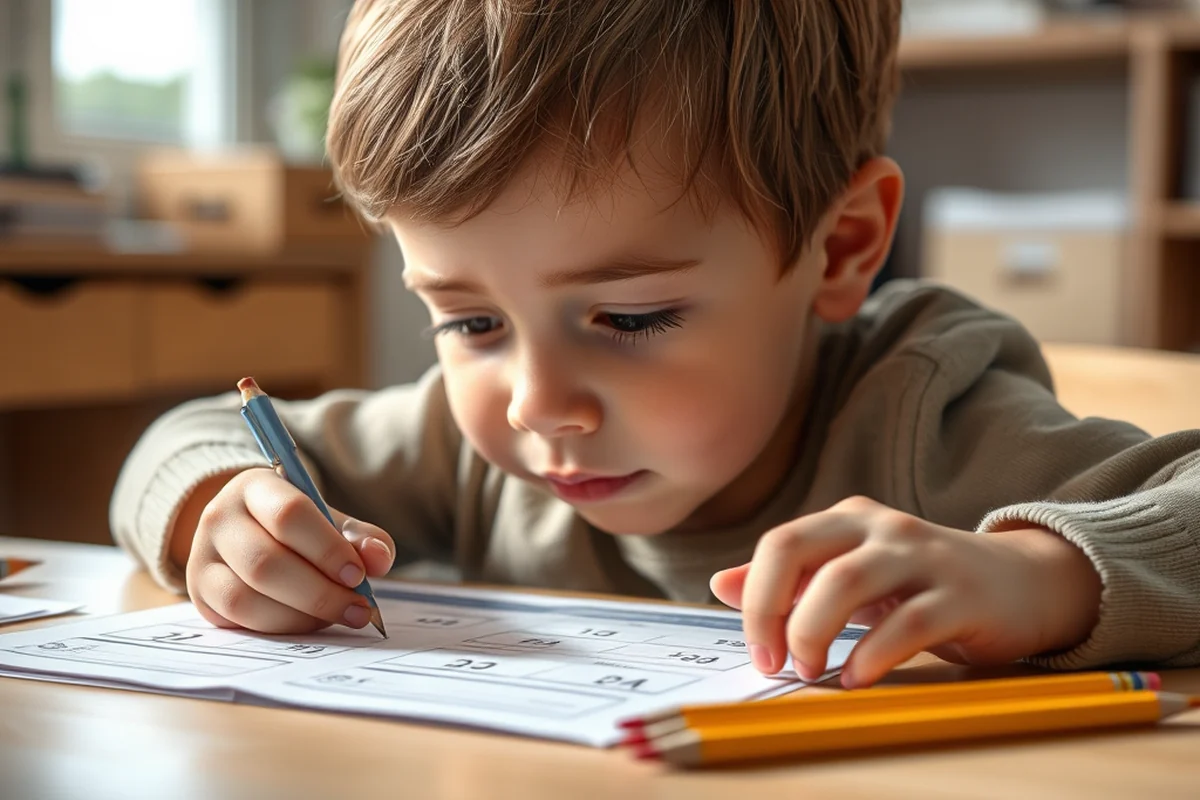
Another major early math activities assessment mistake is the overuse of standardized tests for young children. These tests are often designed for older students and may not account for the developmental stage or learning needs of preschoolers and kindergarteners. When I worked with a group of educators, I saw how some of them used these tests as a way to measure progress, even though they were clearly not aligned with the children's abilities.
For instance, one teacher once administered a test that required children to write numbers from 1 to 20. Many of the children struggled because they were still in the stage of learning to recognize and name numbers. The results were misleading, and the test didn't provide any useful insight into their actual math understanding.
The problem with this approach is that it can discourage children from engaging with math in the future. When they feel that they are being measured against standards they're not yet ready for, they may develop a negative attitude toward math. This is a critical mistake that can affect a child's long-term relationship with the subject.
Standardized tests for young children are like trying to measure the depth of a puddle with a ruler made for oceans.
Related: How to early math activities assessment
Related: Simple early math activities progress
Related: Budget early math activities progress assessment
Related: Best early math activities progress assessment
Related: Budget early math activities assessment
Related: Affordable early math activities progress assessment
Related: Early math activities progress checklist
Related: Simple early math activities progress assessment
Assuming a Child's Math Skills Are the Same Across All Contexts
One of the most overlooked early math activities assessment mistakes is assuming that a child's math skills remain the same in all contexts. In reality, a child may perform differently in a classroom setting compared to a home environment, or when working with a teacher versus a parent. I've seen this happen time and again, where a child who appears to be struggling with counting in the classroom excels when given the same task at home.
In one case, a child who had difficulty recognizing numbers in the classroom was able to count accurately when playing a number game with his mother at home. The difference in context and the presence of a familiar adult made a significant impact on his performance. This highlights the importance of considering the environment and the people involved in a child's math learning process.
This mistake can lead to incorrect conclusions about a child's abilities and may prevent them from receiving the support they need. It's essential to assess a child's math skills in different settings and with different people to get a more accurate picture of their understanding.
Try assessing a child's math skills in both the classroom and at home, using different people and activities. This can help you get a more complete understanding of their abilities.
“I remember the first time I walked into a preschool classroom and saw a child trying to count marbles but getting confused when the pile…”— Countlane editors
Related: How to early math activities progress assessment
Related: Diy early math activities progress
Related: Early math activities progress for beginners
Related: Early math activities progress assessment ideas
Related: Early math activities assessment ideas
Related: Budget early math activities progress
Related: Early math activities progress assessment on a budget
Related: Simple early math activities assessment
Failing to Adapt Assessments to a Child's Learning Style
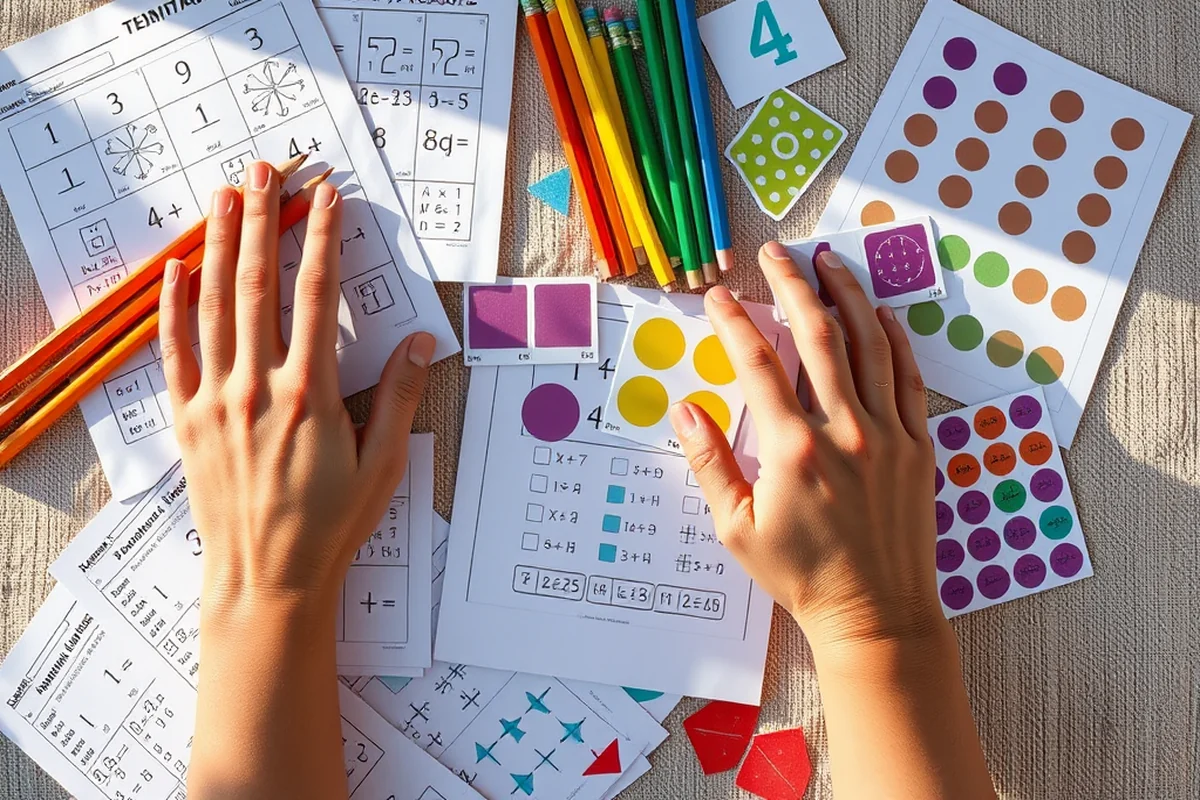
Another common early math activities assessment mistake is failing to adapt assessments to a child's learning style. Some children learn best through hands-on activities, while others may prefer visual or auditory methods. I've seen this mistake occur when educators use the same assessment for all children, regardless of their individual needs or preferences.
For example, I once observed a teacher using flashcards to assess a group of children. Most of the children struggled with the task. When the teacher tried a different approach—using blocks and asking the children to build structures with specific numbers—the same children were able to demonstrate their understanding more effectively. This shows how important it is to tailor assessments to a child's learning style.
By not adapting assessments to a child's learning style, educators and parents may miss opportunities to support their growth and development. It's essential to use a variety of methods and tools to get a more accurate picture of a child's math abilities.
Related: Early math activities assessment for beginners
Related: Best early math activities progress
Related: Early math activities progress assessment checklist
Related: Early math activities progress guide
Related: Diy early math activities progress assessment
Related: Early math activities assessment checklist
Related: Easy early math activities assessment
Ignoring the Role of Play in Math Assessment
One of the most significant early math activities assessment mistakes is ignoring the role of play in math learning and assessment. Play is a powerful tool for teaching and assessing young children's math skills, as it allows them to explore concepts in a natural and engaging way. I've seen this mistake occur when educators rely solely on worksheets or flashcards to assess a child's math understanding, without incorporating play-based activities.
In one classroom, I noticed that the children were struggling with a counting activity that involved paper and pencils. The teacher was frustrated, but when I suggested using blocks and other manipulatives, the children were able to demonstrate their understanding more effectively. This experience highlighted how play can be a more effective way to assess a child's math skills.
By not incorporating play into math assessment, educators and parents may miss opportunities to engage children and help them develop their math skills in a more natural and meaningful way. Play-based activities can provide valuable insights into a child's understanding and abilities.
🧱 Play-Based Assessment
Use hands-on activities like block towers or sorting games to observe a child's math skills in action.
📖 Story Time Math
Incorporate math into storytelling by asking children to count or compare characters and objects in the story.
⏰ No-Prep Assessment
Use everyday items like coins, buttons, or toys to conduct quick, informal math assessments without any preparation.
👥 Group Math Assessment
Conduct assessments in a group setting to observe how children interact and solve problems together.
📈 Extension Math Assessment
Use open-ended tasks that allow children to demonstrate their understanding in creative and unique ways.
| The mistake | Why it happens | The fix |
|---|---|---|
| Assessing a child based on a single observation or interaction. | This mistake can lead to incorrect conclusions about a child's math understanding and may miss opportunities for support and growth. | Observe a child over time and in different contexts to get a more accurate picture of their math skills. |
| Overrelying on standardized tests for young children. | Standardized tests are often not developmentally appropriate and may not reflect a child's true understanding of math concepts. | Use a variety of assessment methods, including play-based and hands-on activities, to evaluate a child's math skills. |
| Assuming a child's math skills are the same across all contexts. | A child may perform differently in different environments or with different people, leading to inaccurate assessments. | Assess a child's math skills in different settings and with different people to get a more complete understanding of their abilities. |
| Failing to adapt assessments to a child's learning style. | Not adapting assessments to a child's learning style can result in inaccurate measurements of their abilities and potential. | Use a variety端 of methods and tools that cater to a child's learning style to get a more accurate picture of their math understanding. |
Related: Early math activities progress for small spaces
Related: Easy early math activities progress
Related: Early math activities progress mistakes to avoid
Related: Early math activities progress ideas
Related: Early math activities progress assessment printable
Early Math Activities Assessment Mistakes To Avoid
Related: Early math activities progress examples
Related: Best early math activities assessment
Related: Early math activities progress assessment tips
Related: Easy early math activities progress assessment
Common Questions
What are some signs that a child is struggling with early math concepts?
How can I assess my child's math skills at home?
What should I do if I'm not sure how to assess my child's math skills?
How can I make math assessments more engaging for young children?
References
Cite this guide
Countlane (2026). Early Math Activities Assessment Mistakes To Avoid. https://countlane.com/early-math-activities-assessment-mistakes-to-avoid/
Feel free to cite or share this guide.