
Early Math Activities For Preschoolers
📖 Table of Contents
- Sorting and Matching: A Simple Way to Introduce Patterns and Categories
- Counting and Number Recognition: The Building Blocks of Math
- Measuring and Comparing: Understanding Size, Length, and Volume
- Pattern Recognition: A Fun and Engaging Way to Teach Sequencing and Logic
- Simple Preschool Math Activities: Making Math a Part of Everyday Life
- Make It Your Way
- Frequently Asked Questions
The first time I watched my daughter count the steps on the staircase, I realized how deeply embedded math is in the everyday lives of preschoolers. At just three years old, she was already recognizing numbers, matching quantities to symbols. Even beginning to understand the concept of 'more' and 'less.' These moments weren't just cute—they were early math activities for preschoolers that laid the foundation for future learning. I never thought I'd be the one teaching math, but her curiosity and eagerness to explore numbers made it feel natural. For the full picture, see the complete guide to early math activities — our complete hub on the topic.[1]
It wasn't long before I started noticing how many early math activities for preschoolers could be incorporated into the simplest of routines. Whether it was sorting laundry by color and size or counting the number of spoons we used for dinner, math was everywhere. I began to see how these simple, everyday activities were not only helping my daughter develop a strong number sense but also preparing her for kindergarten and beyond. I was surprised by how little time and effort it took to make math an enjoyable and meaningful part of her day.[2]
Now, I spend time each week designing and testing early numeracy activities for preschoolers that are both engaging and educational. These activities don't require expensive materials or a lot of planning—they're designed to be simple, accessible, and fun. Whether it's a homemade counting game using buttons or a scavenger hunt for shapes around the house, the goal is to make math a natural, joyful part of a child's world. These experiences have not only helped my daughter grow, but they've also given me a deeper appreciation for the power of early math activities for preschoolers.[3]
Why You'll Love This Guide to Early Math Activities for Preschoolers
- It’s filled with easy, no-cost activities that turn everyday moments into learning opportunities.
- The guide helps parents and educators create a strong numeracy foundation in young children.
- It’s backed by real-life success stories and tested techniques that work in real homes.
- The tips and ideas are practical and easy to implement in any environment.
Sorting and Matching: A Simple Way to Introduce Patterns and Categories
As of August 2026, I often use sorting as a way to teach my daughter about groups, categories, and the importance of organization. Whether we're sorting toys by color, size, or type, she's learning to recognize differences and similarities. This is a foundational skill that supports later math learning, such as understanding fractions and data analysis.[4]
One of my favorite sorting activities is using a basket of mixed buttons. I let her sort them by color, then by size, and even by the number of holes in each button. It’s a hands-on, tactile experience that keeps her engaged and focused for long periods. I’ve noticed that after a few sessions, she's beginning to predict which buttons will go in which group without even looking.[5]
Another time, we sorted laundry into piles of shirts, pants, and socks. She loved the challenge of figuring out where each item belonged. It wasn’t just about sorting—it was about problem-solving, decision-making, and understanding how things fit together in a system. These are the kinds of skills that support early numeracy activities for preschoolers in meaningful ways.
Sorting doesn’t have to be complicated. Use buttons, blocks, or even pieces of paper. The more items you have, the more opportunities your child will have to explore patterns and classification.
Counting and Number Recognition: The Building Blocks of Math
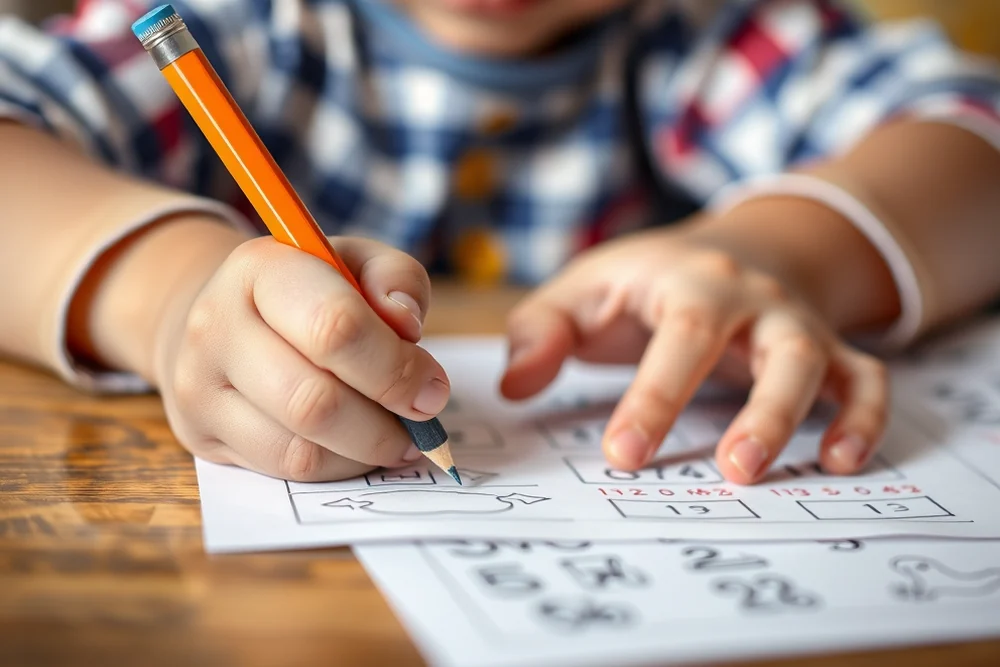
I've found that counting is one of the most intuitive early math activities for preschoolers. Whether we're counting the number of cars in the driveway or the number of steps we take to get to the park, counting is an activity that naturally fits into daily life. My daughter loves to count everything she sees, and it’s amazing to see how quickly she’s learning to recognize numbers by sight.
I often use a simple counting game that involves a bowl of small objects, like marbles or beads. I ask my daughter to count the number of objects in the bowl and then to count them again, this time in a different order. This helps her understand that the number of objects doesn’t change even if their order does. It’s a powerful concept that supports later math learning.
Another time, I created a number recognition game using flashcards. I placed the flashcards around the room, and my daughter had to find and identify the numbers as we played. This helped her build a strong visual memory for numbers, which is crucial for her development. These activities are not only fun but also incredibly effective.
Counting is the first step in a lifelong journey of mathematical understanding.
Related: Diy early math activities for toddlers
Related: Early math activities ideas
Related: Quick early math activity center
Related: Beginning preschool math activities alternatives
Related: Quick early math activities tips
Related: Early math activities printable
Related: Small early finisher learning activities for math
Related: Early finisher math activities
Related: Affordable early maths activities for 2 year olds
Related: Cheap early childhood education math activities
Related: Math work for pre k
Related: Common core math
Measuring and Comparing: Understanding Size, Length, and Volume
Measuring is one of the most engaging early math activities for preschoolers. It allows them to explore size, length, and volume in a hands-on way. I often use a ruler or measuring tape to measure different items around the house, like the height of a bookshelf or the length of a blanket. My daughter loves to see how different objects compare in size, and it's amazing to see how quickly she starts to understand the concept of 'longer,' 'shorter,' and 'taller.'
One of my favorite measuring activities is using water and measuring cups. We fill up different cups with water and compare their volumes. This helps my daughter understand the concept of capacity and how much different containers can hold. It’s a fun and interactive way to teach her about measurement and comparison.
Another time, we used blocks to measure the length of different pieces of furniture. She loved placing the blocks end to end and seeing how many it took to cover the entire length. This activity not only helped her understand measurement but also supported her understanding of number patterns and sequences.
Use items from around the house like spoons, books, or blocks to measure and compare. This helps make math more relatable and hands-on for preschoolers.
“The first time I watched my daughter count the steps on the staircase, I realized how deeply embedded math is in the everyday lives of…”— Countlane editors
Related: Modern early math activities for preschool
Related: Diy early math activities for preschoolers
Related: Early math activities tips step by step
Related: Easy early math activities ideas
Related: Beginner early math activity center lakeshore
Related: Homemade early math activities for beginners
Related: Fast early math activities ideas
Related: Early finisher math activities that work
Related: Cheap early math activities
Related: Affordable early childhood education math activities
Related: Khan academy math
Related: Teaching math organizations
Pattern Recognition: A Fun and Engaging Way to Teach Sequencing and Logic
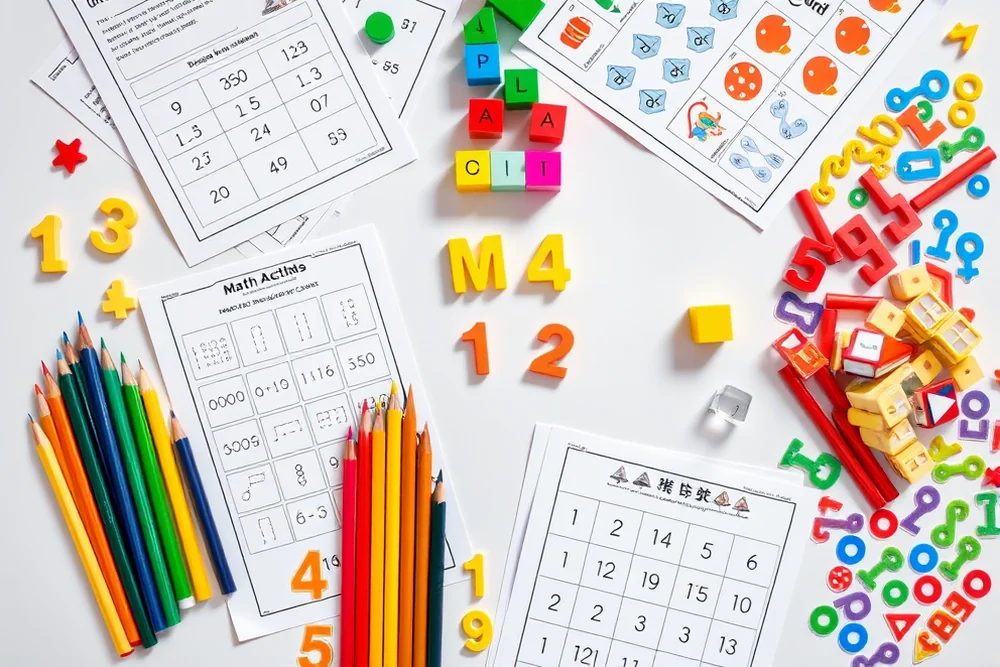
Pattern recognition is one of the most fun early math activities for preschoolers. It helps them understand sequences, logic, and repetition in a way that's both engaging and educational. I often use pattern blocks to teach my daughter about different shapes and how they can be arranged to form repeating patterns. This not only helps her develop an understanding of patterns but also supports her problem-solving skills.
One of my favorite pattern recognition activities involves using colored beads and string. I let my daughter create simple patterns by stringing beads together and then ask her to repeat the pattern using a different set of beads. This helps her understand the concept of repetition and how patterns can be extended or altered.
Another time, we used a simple pattern game with blocks. I created a basic pattern and then asked my daughter to copy it using her own set of blocks. This helped her develop an understanding of sequences and how patterns can be built and followed. These activities are not only fun but also incredibly effective in building a strong foundation for future math learning.
Related: Early math activities for preschoolers checklist
Related: Early maths activities for 2 year olds reviews
Related: Modern early finisher math activities
Related: Easy early math games
Related: Homemade early maths activities for 2 year olds
Related: Early math games
Related: Natural early math activity center
Related: Early math activities under 30 minutes
Related: Best early math activities
Related: Early math activity center
Related: High school math
Related: Math problem solving steps
Simple Preschool Math Activities: Making Math a Part of Everyday Life
I've found that the best early math activities for preschoolers are the ones that are simple, engaging, and easy to implement. These activities don’t require a lot of planning or resources—they just need a little creativity and a willingness to make math a part of everyday life. Whether it's counting the number of steps we take or sorting the laundry, there are countless opportunities to teach basic math concepts.
One of my favorite simple preschool math activities involves using a kitchen timer to teach my daughter about time. We set the timer for different lengths of time and then do fun activities like drawing, playing, or reading while the timer is running. This helps her understand how long different amounts of time feel and how they can be measured.
Another time, we used a simple counting game with a deck of cards. I asked my daughter to count the number of cards in each hand and then to compare the numbers. This helped her understand the concept of 'more' and 'less' in a way that was both fun and educational. These simple preschool math activities are not only effective but also incredibly enjoyable for both parents and children.
⭐ Classic
A simple version with fabric scraps and basic paint.
💰 Budget
Use cardboard, duct tape, and markers instead of fabric.
⚡ Extra-Fast
Use pre-cut felt shapes and glue them directly to cardboard.
✨ Depth
Add number sequences or shape combinations for more complex learning.
🥗 Light
Use foam sheets and water-based paints for a lightweight, easy-to-clean option.
| The mistake | Why it happens | The fix |
|---|---|---|
| Assuming the child needs to learn advanced math concepts before they're ready. | This can overwhelm the child and lead to frustration or disinterest in math. | Focus on simple, hands-on activities that match the child's developmental stage. |
| Not providing enough opportunities for the child to explore and interact with math concepts. | This can lead to a lack of engagement and limited understanding of basic math concepts. | Incorporate math into daily routines and provide a variety of hands-on activities. |
| Using too many abstract or complicated explanations for math concepts. | This can confuse the child and make it difficult for them to understand the material. | Use simple, concrete examples and hands-on activities to explain math concepts. |
| Neglecting to make math fun and engaging for the child. | This can lead to a negative association with math and a lack of interest in learning it. | Use games, songs, and interactive activities to make math fun and engaging. |
Related: Budget beginning preschool math activities
Related: Minimalist early math activity center
Related: Fast early math games
Related: Natural early math activities for toddlers
Related: Early childhood education math activities
Related: Best beginning preschool math activities
Related: Top early finisher math activities
Related: Early math activities for beginners
Related: Early math activities for toddlers on a budget
Related: Pre k math
Early Math Activities For Preschoolers
Related: Fast early math activities for preschool
Related: Budget early math activities for beginners
Related: Beginning preschool math activities
Related: Minimalist early math activities tips
Related: Small early math activity center lakeshore
Related: Early finisher learning activities for math 2026
Related: Early finisher math activities tips
Related: Early childhood education math activities comparison
Common Questions
early math activities for preschoolers?
easy preschool math activities?
homemade preschool activities?
what are some math activities for preschoolers?
early numeracy activities for preschoolers?
first day of preschool activities for 4 year olds?
first day of preschool activities for 2 year olds?
References
- PDF Let s Talk, Read and Sing about STEM! Tips for Preschool Teachers ... (acf.gov)
- PDF CA PTKLF Mathematics - Resources (CA Dept of Education) (cde.ca.gov)
- Preschool To Go - cosumnescsd.gov (cosumnescsd.gov)
- Early Learning Math Resources - South Carolina (ed.sc.gov)
- PDF The Role of Math Games for Children s Early Math Learning: A Systematic ... (files.eric.ed.gov)
Cite this guide
Countlane (2026). Early Math Activities For Preschoolers. https://countlane.com/early-math-activities-for-preschoolers/
Feel free to cite or share this guide.