
Easy Budget Early Math Activities
📖 Table of Contents
I remember the first time I realized that learning math didn’t need to cost a fortune. My daughter was five, and we were sitting in our kitchen, using a bowl of fruit to count and sort. I had no idea how much that simple moment would shape my approach to early math education. That's when I started looking for easy budget early math activities—things that could be done with what we already had at home. It wasn’t just about saving money; it was about making learning feel natural, accessible, and fun for my child.[1]
The more I experimented, the more I saw how deeply math is embedded in our everyday lives. From sorting laundry to measuring ingredients for a snack, there were endless opportunities for my daughter to build foundational math skills without any cost. I started collecting these little moments and turning them into structured, repeatable activities. What I discovered was that even the most basic items—like blocks, buttons, or paper clips—could become powerful tools for teaching number sense, patterns, and more. These were activities that didn’t require a special curriculum, a teacher, or expensive materials.[2]
What surprised me most was how quickly my daughter began to pick up concepts like counting, comparing sizes, and recognizing shapes. It wasn’t about flashy games or expensive apps. It was about creating a learning environment that was grounded in real life. I began sharing these ideas with other parents, and the feedback was overwhelmingly positive. People were looking for ways to teach math without breaking the bank. That’s why I’m writing this article: to share the easy budget early math activities that have worked for me, and that I believe can work for families everywhere.
Why You'll Love This Collection of Easy Budget Early Math Activities
- They’re low-cost, using items you already have at home.
- They can be done anywhere, anytime—no special setup required.
- They’re designed to be engaging and fun for children aged 3 to 6.
- They support key early math skills like counting, sorting, and recognizing patterns.
Sorting and Categorizing with Everyday Items
As of August 2026, one of the easiest and most effective early math activities is sorting and categorizing. I've used everything from buttons, socks, and toys to leaves and rocks. The key is to let the child lead the process, asking questions like, 'What do you think we should group these by?' and 'Can you find something that doesn’t belong here?' This helps them think critically and understand how things relate to each other.
I once used a pile of mismatched socks to teach my daughter about grouping by color and size. It was messy, but it was also incredibly engaging. She quickly learned how to sort them, and I saw her counting and matching skills improve within just a few days. This activity is especially effective for children aged 3 to 6 because it requires minimal supervision and no special materials.
What makes this activity so valuable is that it builds foundational math skills like one-to-one correspondence and comparison. It's also a great way to introduce the idea of 'more than' and 'less than' in a natural way. The best part? You can do this with items you already have at home, making it both cost-effective and practical.
Begin with just 10-15 items to avoid overwhelming your child. As they get more comfortable, you can gradually increase the number.[3]
Part of our Budget early math activities guide.
Counting with Walks or Rides
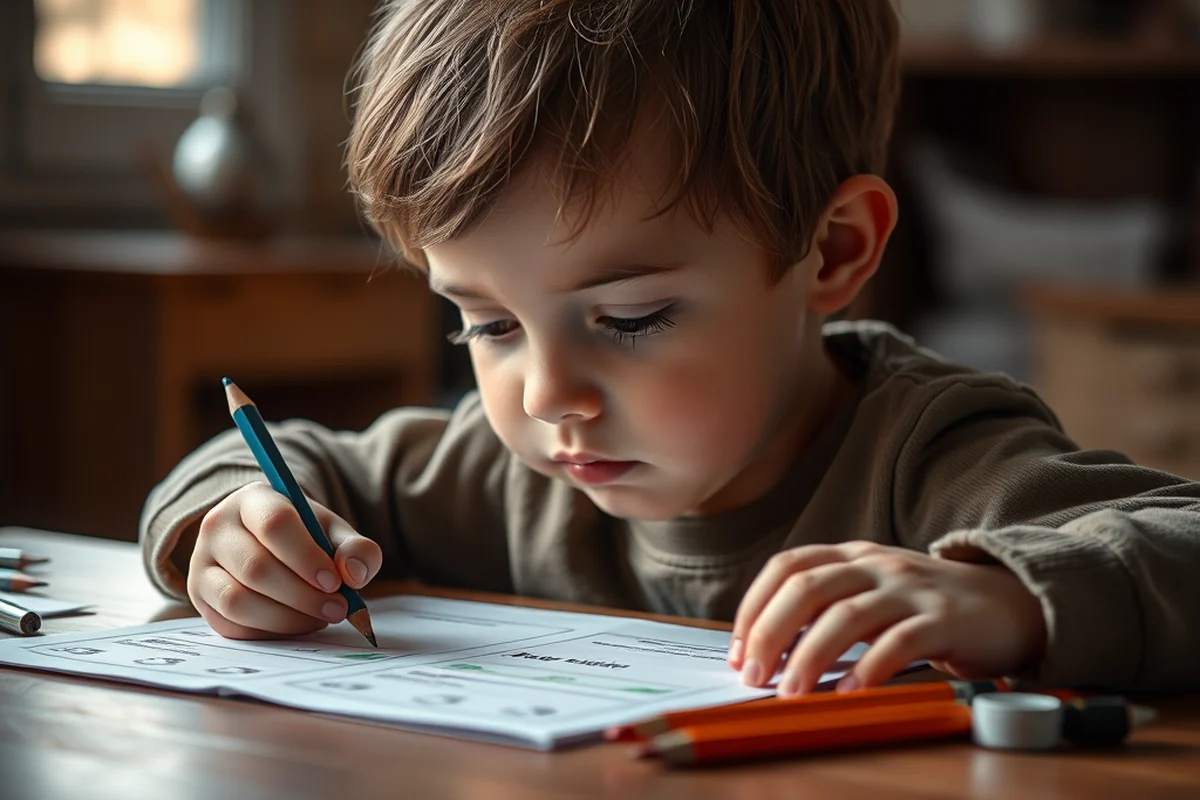
I’ve turned every walk around the neighborhood or car ride into an opportunity for counting. Whether we’re counting trees, cars, or birds, the process is simple: I’ll point out an object, and my daughter will count them as we pass. This helps her practice counting in real time and builds her number recognition skills.
On one of our walks, we counted 17 birds, and she counted them all correctly. It was a small moment, but it made her feel proud and helped reinforce the idea that counting is a skill she can master. This activity is perfect for parents who want to integrate math into their daily routines without any additional effort.[4]
The beauty of this activity is that it can be done anywhere and at any time. It doesn’t require any preparation or materials, just a curious child and a parent who’s willing to ask questions like, 'How many do you see?' and 'Can you count them again?' It's a low-cost, high-impact way to support early math learning.
Every walk is a chance to practice counting and number recognition.
Related: Early math activities budget ideas
Related: Budget budget early math activities
Related: Budget early math activities step by step
Related: Simple early math activities budget
Related: Early math activities budget on a budget
Related: Early math activities budget printable
Related: Best early math activities budget
Using Body Movements to Teach Math Concepts
One of my favorite ways to teach early math is by using body movements. I've played games like 'Jumping Numbers' where we jump on numbers drawn on the floor, and 'Clap Count' where we clap the number of times my daughter says a number. This makes learning more active and engaging for kids who are naturally energetic.
During one session, we created a number line on the floor with tape, and my daughter would hop from one number to the next. She loved it, and I saw her understanding of number sequences improve quickly. This type of activity is especially effective for kinesthetic learners who benefit from hands-on experiences.
Using body movements helps reinforce concepts like number order, counting, and even simple addition and subtraction. The key is to make it fun and to let the child lead the way. It's a great way to integrate movement and learning without any cost.
Encourage your child to move their arms, legs, or even their whole body to demonstrate math concepts like 'more than' or 'less than'.
“I remember the first time I realized that learning math didn’t need to cost a fortune.”— Countlane editors
Related: Simple budget early math activities
Related: Budget early math activities guide
Related: Budget early math activities on a budget
Related: Affordable early math activities budget
Related: Early math activities budget guide
Playing with Shapes in the Home
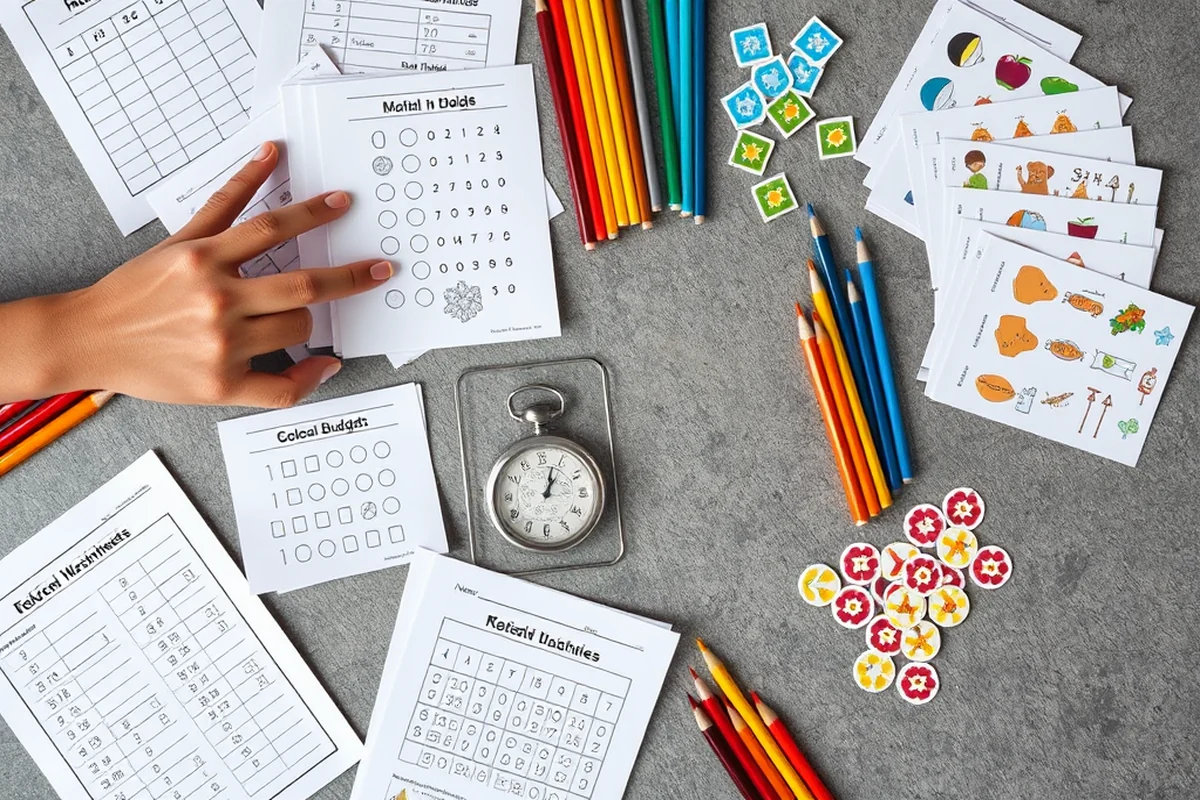
Every home has shapes, and I've turned those into a fun activity for my daughter. We look for circles in doorknobs, triangles in slices of pizza, and squares in tiles. This helps her recognize and name different shapes, which is an important early math skill.
One of our favorite activities was to find all the circles in the kitchen. She found the doorknob, the plate, and even the buttons on my shirt. It was a simple, engaging way to teach her about shapes and how they appear in everyday life. This activity is especially effective for preschoolers who are just beginning to learn about geometry.
The key is to make it a game. Ask questions like, 'Can you find a triangle?' or 'What shape is that?' This helps your child think about how shapes fit into the world around them. It's a great way to reinforce spatial awareness and shape recognition without any cost.
Related: Budget early math activities tips
Related: Diy budget early math activities
Using Storybooks to Introduce Math Concepts
I've used storybooks as a way to introduce math concepts like counting, sequencing, and comparison. My favorite book is 'The Very Hungry Caterpillar' by Eric Carle, which naturally introduces counting and days of the week. I read it with my daughter and ask questions like, 'How many apples did the caterpillar eat on Monday?' and 'Which day did the caterpillar eat the most food?'
On one of our reading sessions, we counted the number of fruits the caterpillar ate each day, and my daughter was thrilled to be the one who figured out the totals. It was a great way to reinforce counting skills and make math feel like part of a story rather than a separate subject.
Using storybooks helps create a connection between math and narrative, making it more relatable for young learners. It's also a great way to build reading skills at the same time. The best part is that you can use any storybook you have at home, making it a low-cost activity that's both educational and enjoyable.
👶 For Younger Kids (Ages 2-3)
Use large, colorful items like blocks or toys that are easy to grasp and move. Focus on simple counting and sorting by color or shape.
👦 For Older Kids (Ages 5-6)
Introduce more complex concepts like addition, subtraction, and patterns. Use puzzles, number cards, or simple board games to reinforce learning.
🧺 No-Prep Version
Use items you already have at home, like cereal, buttons, or socks. No preparation or materials are needed—just a curious child and a parent ready to play.
👥 Group Version
Play with siblings or friends. Encourage teamwork and communication as you work on math challenges together.
📚 Extension Activity
Create a math journal where your child can draw or write about what they’ve learned. This helps reinforce concepts and build early writing skills.
| The mistake | Why it happens | The fix |
|---|---|---|
| Assuming all math activities must be structured and formal | Children learn best through play and exploration, not rigid lessons. Overly structured activities can make math feel less natural and more stressful. | Keep activities flexible and let your child lead the way. Use real-life situations to teach math naturally. |
| Trying to force a child to sit for long periods of time | Young children have short attention spans. Forcing them to sit for extended math sessions can lead to frustration and disengagement. | Keep activities short and varied. Alternate between hands-on tasks and movement-based learning to keep your child interested. |
| Using too many materials at once | Too many items can overwhelm a child and make the activity feel chaotic rather than educational. | Start with a small number of items and gradually add more as your child becomes more comfortable with the activity. |
| Not asking questions or engaging in conversation | Passively watching your child play with math items without engaging in conversation can limit their learning and prevent them from making connections. | Ask open-ended questions like, 'What do you see?' or 'Can you count these?' to help your child think critically and build their math vocabulary. |
Related: Quick early math activities budget
Related: Early math activities budget for small spaces
Easy Budget Early Math Activities
Related: Early math activities budget tips
Related: Easy early math activities budget
Common Questions
What if my child doesn’t seem interested in math activities?
Can these activities be adapted for children with special needs?
How long should each activity last?
Are there any supplies I should avoid using?
References
- Montana Early Learning Standards: A Developmental Continuum for ... (dphhs.mt.gov)
- Ohio's Plan for K-12 Mathematics (education.ohio.gov)
- South Dakota Early Learning Guidelines (dss.sd.gov)
- Examining the Effect of Students' Early Numeracy Activities at Home ... (files.eric.ed.gov)
Cite this guide
Countlane (2026). Easy Budget Early Math Activities. https://countlane.com/easy-budget-early-math-activities/
Feel free to cite or share this guide.