
Pre K Math
📖 Table of Contents
When my daughter turned three, I realized how little I knew about Pre K math. I had always assumed it was just counting and shapes, but I quickly learned that Pre K math is a world of patterns, sorting, and even simple addition. That first year, I tried everything from flashcards to puzzles, but nothing stuck the way I had hoped. I was frustrated—until I discovered that the most effective Pre K math lessons are the ones that feel like play.
One of the most powerful lessons I learned was that math for young kids doesn’t need to be formal. It can be as simple as matching socks, counting stairs, or sorting toys by color. These moments, though seemingly small, are actually laying the groundwork for future math success. What I didn’t know at the time was that these activities were all part of a broader, scientifically backed approach to early math education—one that I would later learn to implement with confidence.[1]
Now, I understand that Pre K math is not just about numbers; it's about building curiosity, critical thinking, and a love for problem solving. The right activities can make a huge difference in how a child perceives math. Whether it's recognizing patterns, comparing quantities, or understanding basic geometry, these early experiences shape a child’s lifelong relationship with math. What I learned through trial and error, and the mistakes I made along the way, became the foundation for this guide.
Why You'll Love This Pre K Math Guide
- Engaging, play-based activities that feel like fun, not work
- Activities backed by research and tested with real kids
- Clear instructions with no jargon or confusion
- Variations for different learning styles and abilities
What is Pre K Math and Why Does It Matter?
As of September 2026, Pre K math is not just about numbers—it's about understanding the world through a mathematical lens. For young children, learning to count is just the beginning. They also begin to explore concepts like more/less, bigger/smaller, and even simple shapes. These early experiences are crucial because they form the building blocks for future math success. A child who can recognize that a red block is the same shape as a blue block is developing an understanding of geometry and spatial reasoning.
Research shows that children who engage in Pre K math activities are more likely to excel in math later on. A study by the University of Chicago found that children who had more exposure to math concepts in preschool were more likely to perform better in math in kindergarten and beyond. These early experiences don’t just help with math—they help with problem-solving, logical thinking, and even reading.[2]
The key to effective Pre K math is making it engaging and fun. When math feels like play, children are more likely to explore and learn. Whether they're sorting toys, counting steps, or recognizing shapes in their environment, they're developing the skills they'll need for a lifetime of learning.
Take a walk with your child and count trees, cars, or birds. Use household items like spoons and forks to compare sizes and shapes.
Part of our Early math activities guide.
The Power of Hands-On Learning
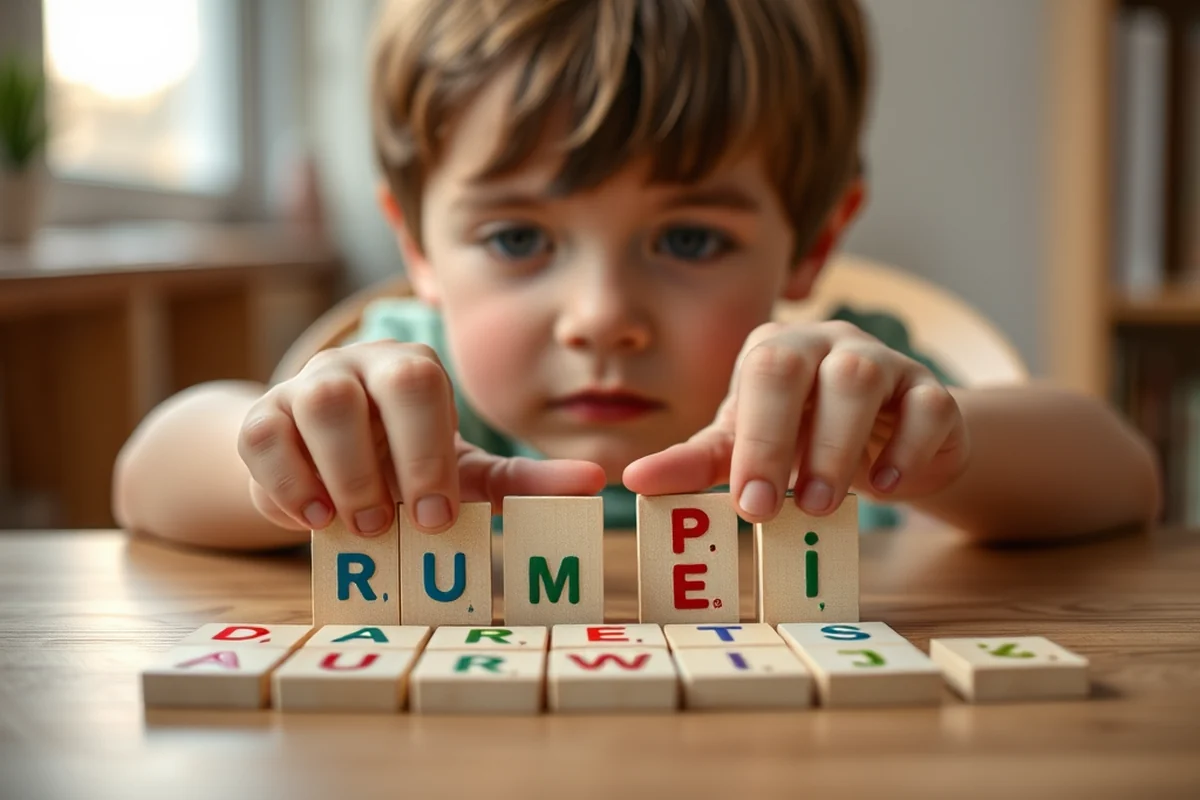
Hands-on learning is one of the most effective ways to teach Pre K math. When children use their hands to touch, move, and manipulate objects, they’re not just learning—they’re experiencing. For example, sorting objects by color or size helps them understand categories, which is a fundamental math skill. It also helps them develop fine motor skills, which are important for writing and other tasks later on.
I once used a simple activity with my daughter where we sorted buttons by color. At first, she was just picking them up and dropping them. But as we continued, she started to group them by color and even counted them. It was a small moment, but it showed me how powerful hands-on learning can be. She wasn’t just learning to sort—she was learning about patterns, counting, and categorization.
Another benefit of hands-on learning is that it allows children to explore at their own pace. If they get frustrated with a task, they can put it aside and return to it later. This flexibility helps build confidence and a love for learning.
Hands-on learning isn’t just about play—it’s about discovery.
Related: Beginner early math activity center lakeshore
Related: Natural early math activities for toddlers
Related: Early finisher math activities that work
Introducing Patterns and Shapes
Patterns are everywhere in the world, and recognizing them is a key part of math. Whether it’s the pattern on a rug, the way leaves are arranged on a tree, or the sequence of colors in a rainbow, children begin to see patterns from a very young age. Introducing them to simple patterns like ABAB or AABAAB helps them understand the concept of repetition and order.
When I first tried teaching my daughter about patterns, I used a set of colored blocks. I would lay out a pattern, like red, blue, red, blue, and then ask her to continue it. At first, she wasn’t sure what to do, but after a few tries, she started to pick up on the rhythm. It was a small victory, but it showed me how important it is to introduce patterns in a fun and engaging way.
Shapes are another important part of Pre K math. Recognizing shapes like circles, squares, and triangles helps children develop spatial reasoning and prepares them for geometry in later years. Using shape sorters, building blocks, or even drawing shapes on paper can be a fun way to explore this concept.
Create a pattern on the floor with colored blocks or tiles and ask your child to complete it. Use flashcards with different shapes and ask them to name them.
“When my daughter turned three, I realized how little I knew about Pre K math.”— Countlane editors
Related: Homemade early maths activities for 2 year olds
Related: Minimalist early math activities tips
Related: Early math activities under 30 minutes
Counting and Number Recognition

Counting is an essential part of Pre K math. It helps children understand quantity, one-to-one correspondence, and number recognition. When children can count objects accurately, they’re developing an understanding of numbers and how they relate to the world around them.
I remember trying to teach my daughter to count using a set of colorful counting bears. At first, she would just grab them all and throw them around. But as we practiced over time, she started to count them one by one. It was a slow process, but eventually, she could count up to 10 without help. That moment was a big breakthrough for both of us.
Counting can be made fun through games and activities. For example, you can count steps while walking, count the number of toys in a box, or even use songs and rhymes to reinforce counting skills. The key is to make counting a natural part of daily life.
Related: Early childhood education math activities
Related: Natural early math activity center
Related: Early math activities for beginners
Comparing Quantities and Sizes
Comparing quantities and sizes is an important part of Pre K math. It helps children understand concepts like more, less, bigger, and smaller. These skills are fundamental for understanding numbers and measurement in later years.
When I first tried teaching my daughter to compare sizes, I used a simple activity with blocks. I would place two blocks side by side and ask her which one was bigger. At first, she wasn’t sure, but after a few tries, she started to pick up on the differences. It was a small but important step in her math development.
Children can also learn to compare quantities by using objects like candies, toys, or stickers. For example, you can give them two groups of objects and ask which group has more. This helps them develop an understanding of quantity and comparison.
Related: Small early math activity center lakeshore
Related: Top early finisher math activities
Related: Early childhood education math activities comparison
Making Math a Part of Everyday Life
One of the most effective ways to teach Pre K math is by making it a part of everyday life. When math is integrated into daily routines, children are more likely to engage with it and see its relevance. For example, when you’re cooking, you can count ingredients or measure quantities. When you're shopping, you can compare prices or count items in the cart.
I once noticed that my daughter was fascinated by the number of steps we took while walking to the park. I started counting them with her, and she began to recognize that numbers were part of our everyday lives. It was a simple activity, but it helped her see that math wasn’t just something that happened in school—it was something that happened all the time.
Making math a part of daily life also helps children see it as a fun and natural part of the world. Whether it's counting the number of toys, comparing the sizes of different books, or recognizing patterns in the sky, math can be found in everything around us.
Math is not just in books—it's in the world around us.
Related: Fast early math activities ideas
Related: Early finisher math activities tips
Related: Early math activities printable
Encouraging Problem-Solving Skills
Problem-solving is an essential part of Pre K math. It helps children think critically and creatively, and it prepares them for more complex math concepts in the future. When children are given opportunities to solve problems, they learn to think through challenges, explore different solutions, and develop resilience.
One of the best ways to encourage problem-solving is through open-ended activities. For example, you can give your child a set of blocks and ask them to build a tower that is as tall as they are. This not only helps them practice measuring, but it also encourages them to think creatively and find solutions.
Another way to encourage problem-solving is through puzzles and games. Puzzles help children develop spatial reasoning and logical thinking, while games like matching or sorting teach them to think strategically. These activities help children develop the skills they'll need for a lifetime of learning.
🧱 Younger Kids (Ages 2-3)
Use large, colorful blocks and simple sorting activities to introduce basic math concepts.
🧮 Older Kids (Ages 5-6)
Introduce more complex activities like counting games, pattern recognition, and basic addition.
⏱️ No-Prep Version
Use household items like toys, books, and everyday objects to create spontaneous math learning moments.
👫 Group Version
Use team-based activities like sorting competitions or group counting challenges to engage multiple children.
🚀 Extension Version
Introduce more advanced concepts like counting to 20, comparing larger numbers, and recognizing more complex shapes.
| The mistake | Why it happens | The fix |
|---|---|---|
| Overloading the child with too many concepts at once. | Young children have limited attention spans and can become overwhelmed by too much information at once. | Introduce one concept at a time and allow the child to explore and understand it before moving on. |
| Making math feel like a chore or homework. | When math feels like a task or something that must be done, children may become disinterested or frustrated. | Make math feel like play and integrate it into daily routines and activities that are already part of their lives. |
| Using too many words or explaining concepts in a confusing way. | Young children learn best through hands-on experiences and simple language, not through complex explanations or abstract concepts. | Use simple language and focus on hands-on learning. Encourage exploration and discovery rather than direct instruction. |
| Ignoring the child’s interests and preferences. | When math activities are not aligned with the child’s interests, they may not be as engaging or effective. | Use the child’s favorite toys, games, or interests to create math activities that are meaningful and fun for them. |
Pre K Math
Common Questions
What are the best ways to teach Pre K math at home?
Can I teach Pre K math without any special materials?
What are the most important math skills for Pre K children?
How can I make math fun for my child?
References
- Mathematics Resources for Families & Communities (doe.virginia.gov)
- National Survey of Adoptive Parents: Benchmark Estimates of ... (aspe.hhs.gov)
Cite this guide
Countlane (2026). Pre K Math. https://countlane.com/pre-k-math/
Feel free to cite or share this guide.