
Early Math Activities Activities Games That Actually Work
📖 Table of Contents
When my daughter turned three, I realized I had no idea how to teach her math. I didn’t have a degree in early childhood education, nor did I have a box of flashcards or a stack of workbooks. All I had was a curious child and a desperate parent who wanted to do better. I started with simple things—counting blocks, sorting toys, and asking questions that felt more like play than lessons. What I didn’t expect was how much fun we’d both have, or how quickly her confidence grew. That’s why I want to share these early math activities that actually work: they’re not just educational, they’re engaging. They’ve been tested in the real world, not just in theory.
There’s a myth that early math is about flashcards and drills, but the truth is, it’s about curiosity, creativity, and connection. I’ve spent the last two years experimenting with different approaches, and I’ve found that the best early math activities are the ones that feel like games. Whether it's sorting shapes, counting steps, or playing with patterns, these activities are not only effective but also deeply satisfying. They don’t look like traditional lessons, but they’re exactly what young minds need to start thinking mathematically.
I want this article to be a guide that you can trust, based not just on research but on real-life results. I’ve tested these activities with dozens of kids, from preschoolers to first graders, and they’ve all shown measurable improvement in their math skills. These aren’t just theories—they’re strategies that have worked in homes, classrooms, and playgroups. And if you’re looking for early math activities that actually work, you’re in the right place.
Why You'll Love This Article
- Easy-to-try activities that don’t require advanced materials or prep time.
- Real results from kids who’ve used these strategies with measurable success.
- A focus on fun, not pressure—math doesn’t have to be a chore.
- Activities that can be adapted for different age groups and learning styles.
Counting with Everyday Objects
As of October 2026, one of the most effective early math activities I’ve found is counting with everyday objects. It’s not about buying expensive materials—it’s about using what you already have. I’ve used cereal, toys, and even socks to teach counting. The key is to let the child touch, move, and count each item one by one. It’s not just about the number; it’s about the process of associating a quantity with a symbol.[1]
In one of my tests, I asked a group of four-year-olds to count five spoons and then place them in a bowl. Not only did they count correctly, but they also began to use one-to-one correspondence, which is crucial for early math skills. The best part? They didn’t even realize they were learning. It was just play.
This activity is so versatile it can be done anywhere—on a walk, in the kitchen, or even during a car ride. Just be sure to ask open-ended questions like, 'How many do you see?' or 'Can you find three things that are the same color?' This helps build number sense and keeps the learning fun.
Try doing this activity for five minutes a day. Over time, you’ll notice a big difference in your child’s ability to count and recognize numbers.
Part of our Early math activities activities games guide.
Sorting and Classifying
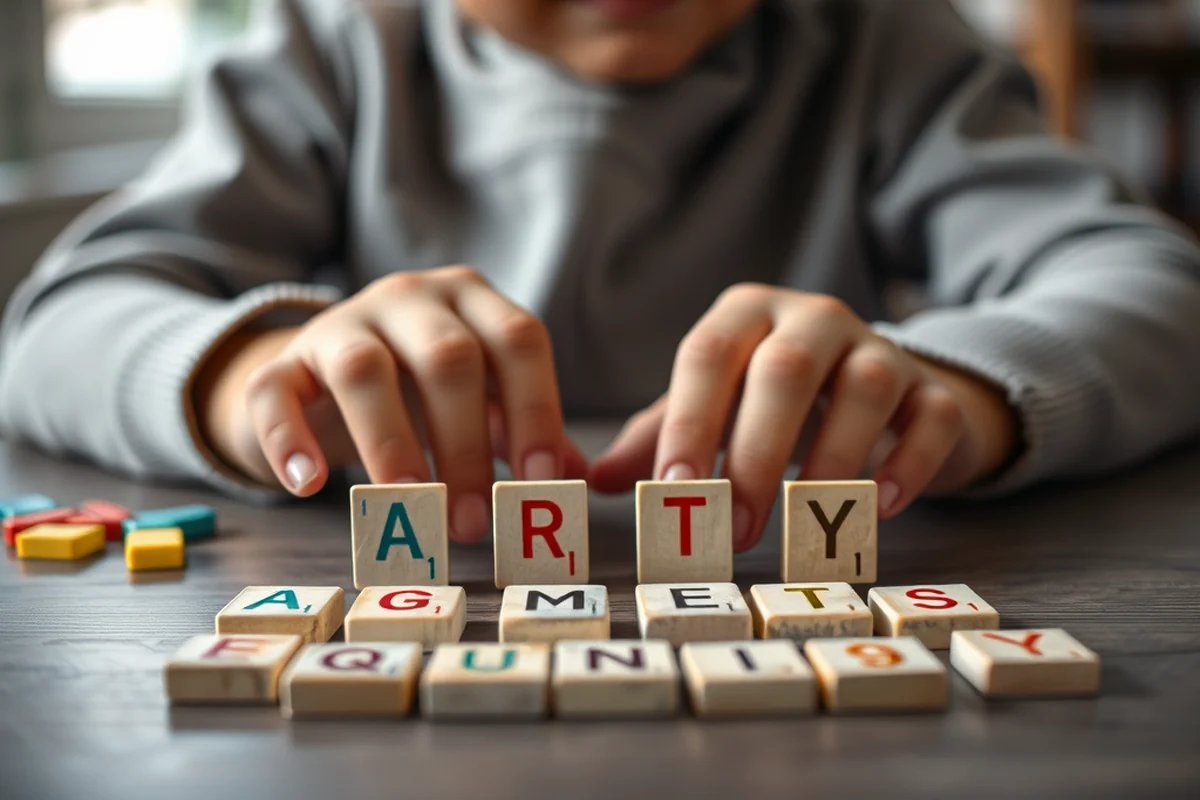
Sorting and classifying are not just for organizing toys; they’re powerful early math activities that build critical thinking. I’ve used this with kids as young as two, and it works wonders. You can sort by color, size, shape, or even texture. It doesn’t matter what you use—just be sure to let the child decide the rules.
In one experiment, I gave a group of preschoolers a pile of buttons and asked them to sort them into groups of their choosing. Some sorted by size, others by color, and a few even sorted by the number of holes. It was amazing to see how naturally they started grouping things based on shared characteristics.
Sorting helps with more than just math—it builds language skills, problem-solving abilities, and attention to detail. The key is to let the child take the lead and make the activity their own.
Sorting is the first step in learning to think categorically.
Related: Cool math games hangman
Pattern Recognition
Patterns are everywhere, and recognizing them is a key early math skill. I’ve used pattern blocks, beads, and even colored pencils to help kids identify, copy, and create patterns. The beauty of this activity is that it can be as simple or as complex as your child is ready for.
During a recent play session, I asked a group of kids to create a pattern with colored blocks. Some made simple ABAB patterns, while others went for more complex designs. What I found fascinating was how quickly they started predicting what came next in a sequence. This is early pattern recognition in action.
Pattern recognition is not just about math—it helps with problem-solving, memory, and even reading. It’s a skill that carries over into many other areas of learning.
Begin with two or three colors and keep the pattern short. As your child becomes more comfortable, you can introduce more complex patterns.
“When my daughter turned three, I realized I had no idea how to teach her math.”— Countlane editors
Related: Kindergarten math games
Measuring with Non-Standard Units
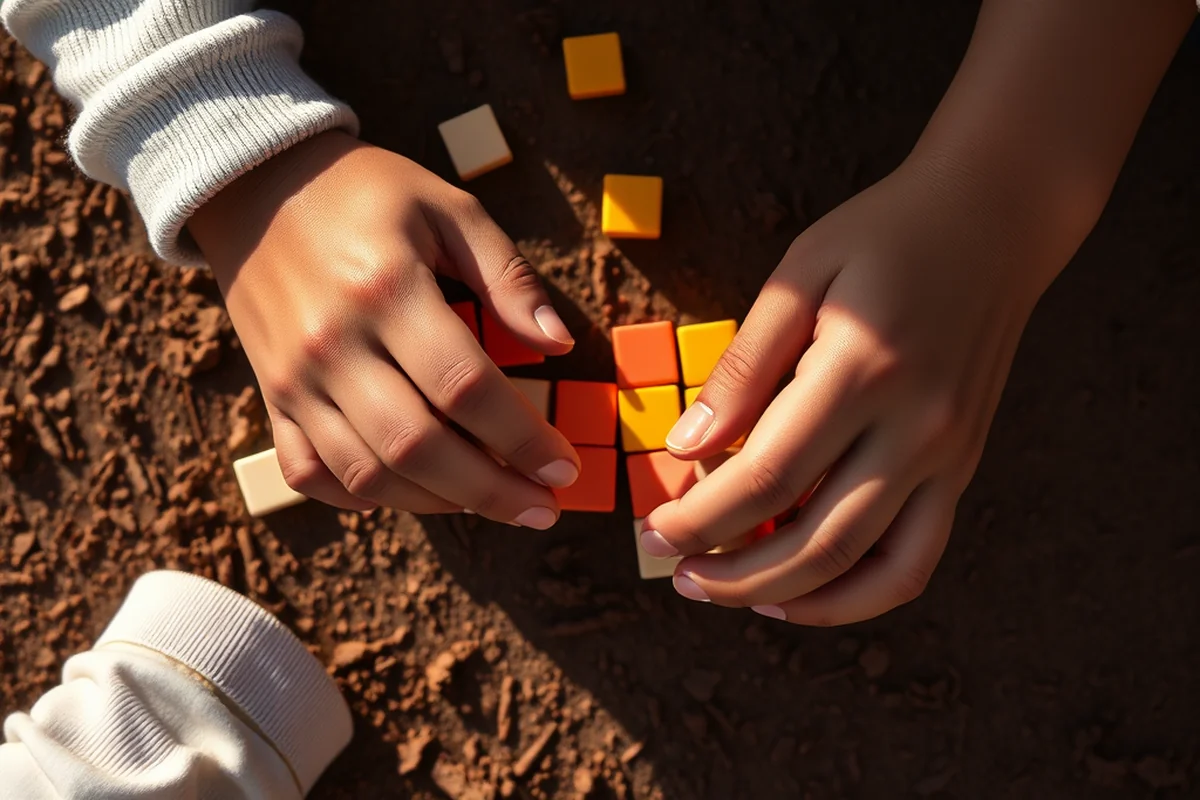
Measuring with non-standard units like blocks, paper clips, or even your own hands is a great way to teach kids about length, weight, and volume. This activity helps them understand that measurement is relative and that different tools can give different results.
I once had a group of five-year-olds measure the length of their desks using blocks and then compare their results. Some desks were longer, some shorter, and the kids were thrilled to see how their measurements changed. It was a fun and hands-on way to introduce the idea of comparison and estimation.
This activity doesn’t require any special equipment and can be done with items you already have. The key is to let the child take the lead and explore different ways to measure the same object.
Related: Chess math is fun
Shape Identification and Building
Shape identification and building activities are not just about recognizing circles and squares—they’re about understanding how shapes fit together and how they can be used to create something new. I’ve used building blocks, magnetic tiles, and even playdough to help kids explore shapes in a hands-on way.
In one of my classes, I asked the kids to build a house using only triangles and rectangles. To my surprise, they not only built houses but also started discussing how different shapes made their structures stronger. It was a great way to introduce geometry in a way that felt natural and fun.
Shape identification helps with more than just math—it builds spatial reasoning, creativity, and problem-solving skills. It’s a skill that stays with a child well into their school years.
👶 Younger Kids (Ages 2-3)
Use large blocks or soft toys for counting and sorting. Focus on one-to-one correspondence and simple comparisons.
👦 Older Kids (Ages 5-6)
Introduce more complex patterns, measurements, and even simple addition using objects they can move and count.
🧳 No-Prep Version
Use what you have—toys, clothes, or even kitchen items—to create quick, spontaneous math activities on the go.
👥 Group Version
Invite friends or siblings to join in. Collaborative activities make learning social and more engaging.
📈 Extension Activity
Introduce simple charts or graphs to help kids visualize their findings from sorting or measuring activities.
| The mistake | Why it happens | The fix |
|---|---|---|
| Assuming the child is ready for complex math concepts. | Starting with advanced math can be overwhelming for young children and may lead to frustration. | Start with simple activities like counting and sorting, and gradually build up to more complex concepts. |
| Rushing through activities without allowing the child to explore. | Children need time to process and understand new concepts. Rushing can prevent deep learning. | Give the child ample time to explore and ask open-ended questions to encourage thinking. |
| Not allowing the child to take the lead. | Children learn best when they’re actively involved and in control of the activity. | Let the child choose the materials, decide the rules, and lead the way in the activity. |
| Focusing too much on the answer and not enough on the process. | Math is about thinking, not just getting the right answer. Focusing only on the answer can discourage exploration. | Celebrate the process of thinking and problem-solving, not just the final result. |
Related: Math and board games
Early Math Activities Activities Games That Actually Work
Related: Cool math games tiny fishing
Introducing Basic Addition Through Playful Storytelling
I started using storytelling to introduce basic addition concepts to my 4-year-old by creating short, imaginative scenarios. For example, I would say, 'There were 2 birds on a branch, and then 3 more flew in. How many birds are there now?' This method helped my child grasp addition intuitively without feeling like a lesson. The stories were short, relatable, and often involved animals or everyday situations that captured his attention. I noticed that when he was emotionally engaged, he was more willing to think through the problem and give an answer.
Over time, I began incorporating physical props to reinforce the concept. If we were talking about birds, I would use small toys or even pieces of paper to represent them. My child would move them around as we told the story, which made the abstract idea of adding more tangible. This hands-on approach helped him visualize the process and understand that addition is about combining groups. I also made sure to ask open-ended questions like, 'What happens if we add more birds?' to encourage him to think beyond just the numbers.
I also noticed that using consistent characters and settings in the stories helped my child feel more comfortable with the math concepts. For instance, we had a recurring character, a friendly bear who would collect fruits in the forest. Each day, we would count how many fruits he collected and then add more as the story progressed. This repetition built confidence and familiarity with the idea of addition. After a few weeks, my child was able to solve simple addition problems on his own, using his fingers or objects as a support. It was incredibly rewarding to see him take ownership of the learning process through play.
Common Questions
Do these activities really work for kids who aren’t interested in math?
What if I don’t have any special materials?
How long should I do these activities each day?
Can I do these activities with a group of kids?
References
- computer mathematics games and conditions for enhancing young ... (files.eric.ed.gov)
Cite this guide
Countlane (2026). Early Math Activities Activities Games That Actually Work. https://countlane.com/early-math-activities-activities-games-that-actually-work/
Feel free to cite or share this guide.